
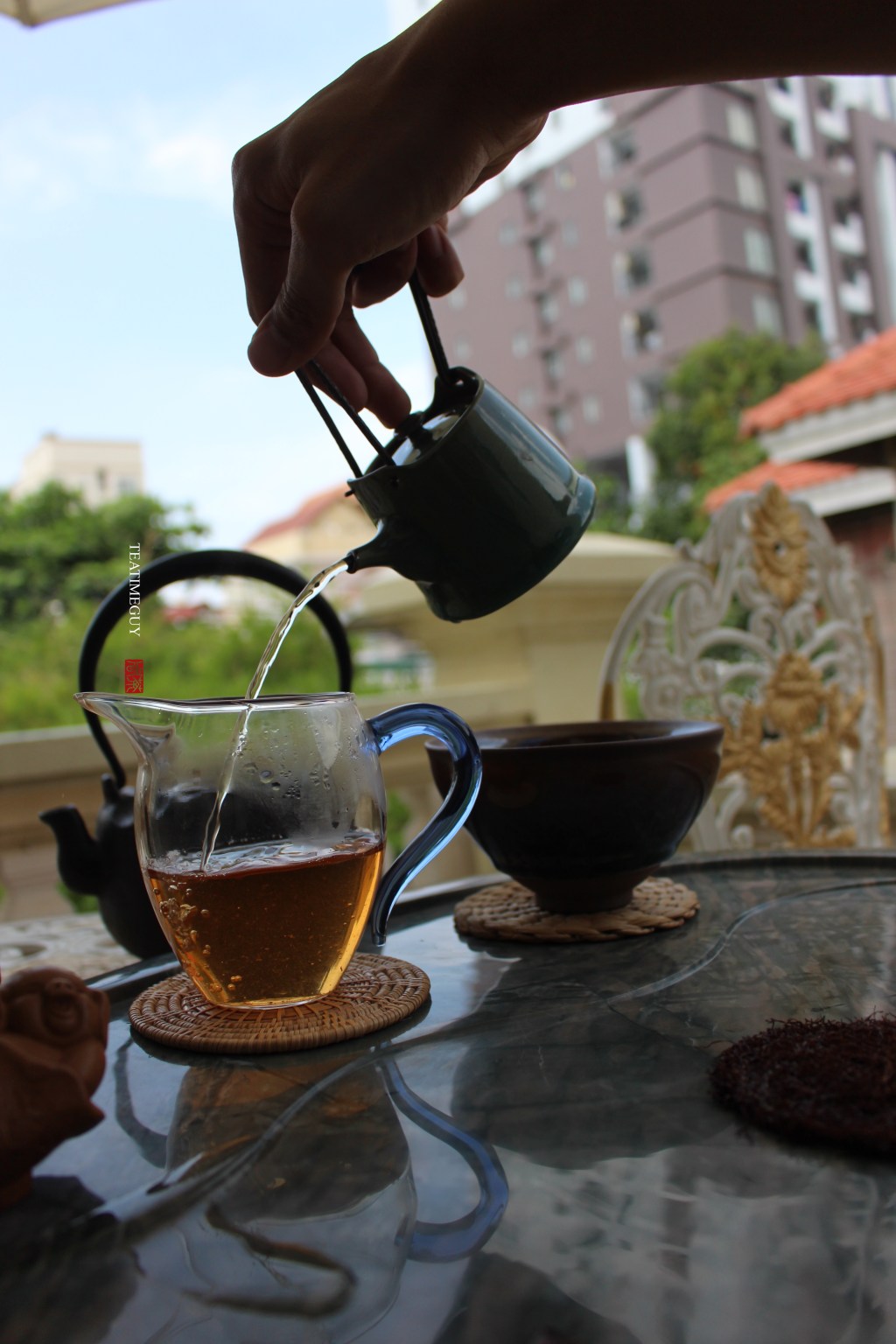
Since tea was discovered, it has become an integral part of Chinese people daily life. After 5,000 years of development, the memory of tea has been deeply rooted in the genes of the Chinese people and has become an unrepeatable culture of the Chinese nation.
ជាភាសាខ្មែរ: https://teatimeguy.com/2022/04/22/history-of-tea-development-khmer-lan/
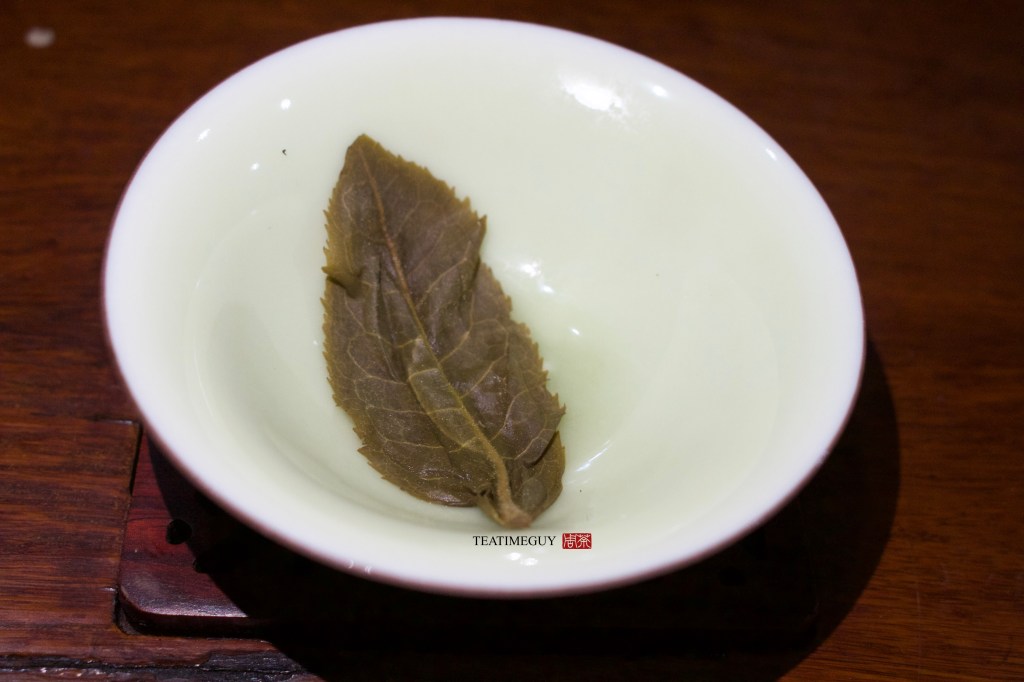
Begin from Ancient time, “Shen Nong tasted all kinds of herbs, encountered 72 poisons everyday and found Tea”. Date back to more than 4000 years ago, tea at that time was used as medicine.
In Shang and Zhou Dynasties, According to “华阳国志/HuaYang GuoZhi”, when king Wu of Zhou dynasty visited Bashu region, He had been once offered tea as tribute. However, according to “晏子春秋/ YanZi ChunQiu” had recorded that QiXiang YanYing used tea to cook porridge and other dishes. This showed that in Spring and Autumn Period (Eastern Zhou), even though tea had already been used as food, but it had not yet became a separate beverage.
In Qin And Han Dynasties, “僮约/ TongYue” script from Western Han dynasty, there are description about “烹茶尽具 (Make tea and prepare to clean tea set)” and “武阳买茶/ Buy Tea in WuYang”, which showed that tea had become daily drink in the homes of some official and eunuchs during that time, also there was some trade of tea at the time as well. Moreover, the phenomenon of buying and selling tea had already appeared at that time, and tea production had already embarked on the road of commercialization.
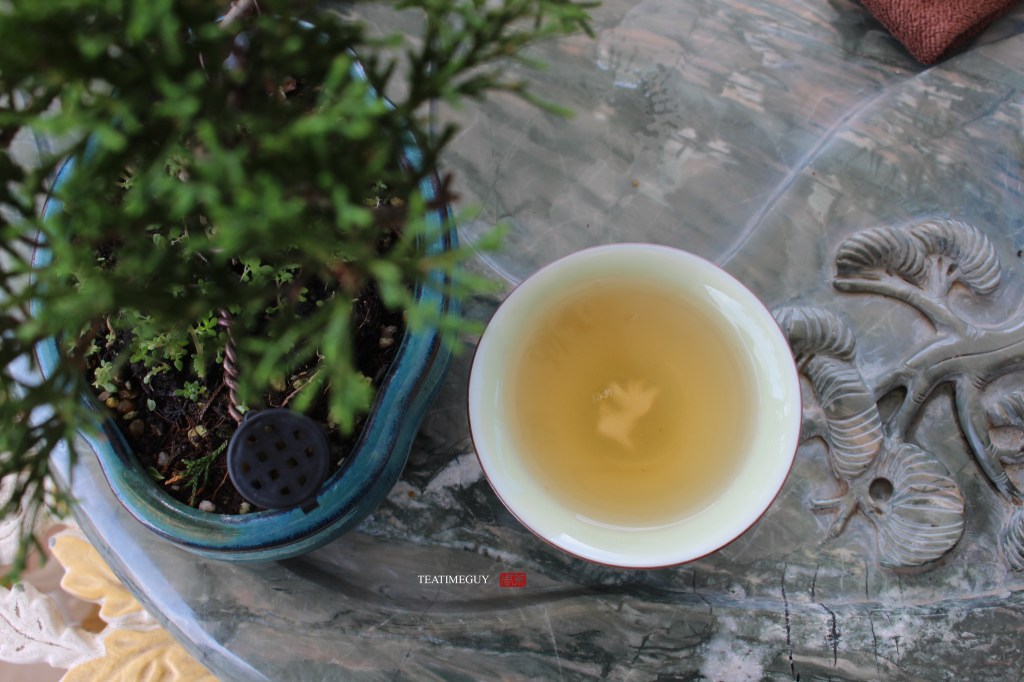
Wei, Jin, Southern and Northern Dynasties, there is a record in “History of the Three Kingdoms” that Sun Hao, the emperor of Wu State, “密赐茶荼以代酒/ Secretly bestow tea in lieu of wine”. Many other historical materials also reflect that during this period, tea drinking has become a common custom in the whole society, especially in the south, where tea drinking is especially popular.
Sui and Tang Dynasties, during this period, based on the flourishing national strength, the tea industry has been greatly developed, various famous teas have continuously emerged, and the first tea monograph had appeared , Lu Yu’s “Tea Scripture/ 茶经”. At the same time, Chinese tea culture products also spread abroad.
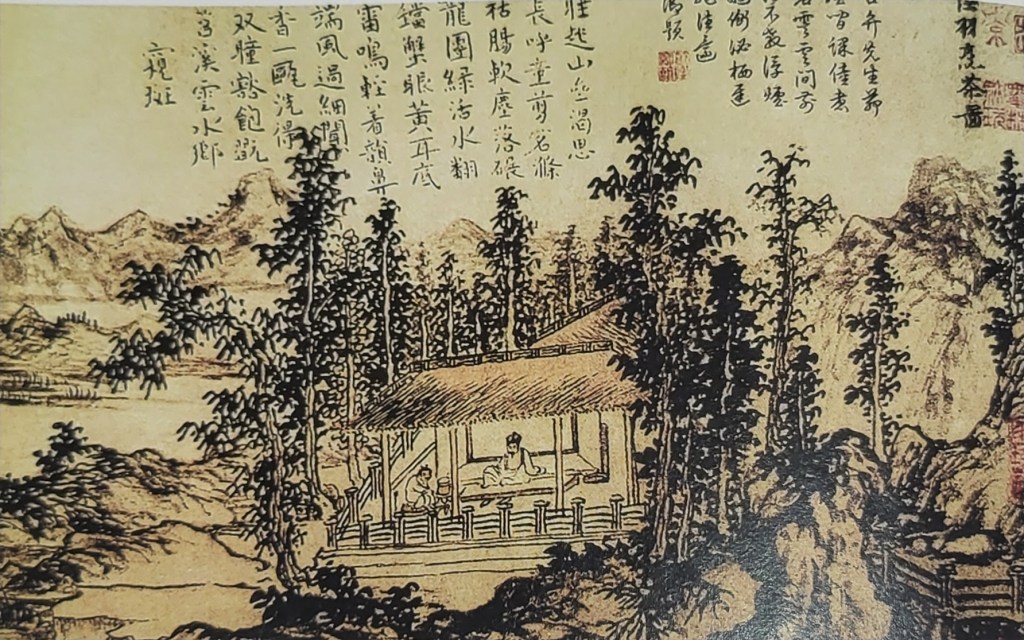
Song and Yuan Dynasties, the tea industry has further developed, and new categories such as Powder Tea, loose leaf tea and scented tea have emerged. During this period, there was also a tea book written by the emperor – “大观茶论/ DaGuan Tea Theory” written by Zhao Ji, Emperor Huizong of Song Dynasty. In the Yuan Dynasty, China also invented the mechanical tea-making method, which greatly improved the efficiency of tea-making.
Ming and Qing Dynasties, during this period, the form of tea changed from Cake tea (团茶) to loose leaf tea(散茶), and the way of drinking tea also changed from boiled tea to brewed tea. In addition to beside from traditional green tea, there are new varieties also appeared one after another such as black tea, white tea, dark tea, yellow tea and oolong tea. In the Ming and Qing dynasties, tea also became an important export commodity in China’s foreign trade, which earned China a huge amount silver by exchange with tea leaf.
All Rights Reserved for TEATIMEGUY
រក្សាសិទ្ធគ្រប់យ៉ាងដោយ TEATIMEGUY
Contact us (teatimeguy@gmail.com) for permission to reuse any of our content.
Reference:
We wrote this article based on several tea books and other sources together with our experiences in tea journey. For Sources from Books that we had used, we would like mention down below:
1. ZhongGuo ChaYe Tea Book (中国茶叶) by Wang GuangZhi, Published in 2013
2. Experiencing Chinese Tea Culture Book (体验中国茶文化 by China intercontinental Press. Published in 2011.

 TEATIMEGUY|ធីថាមហ្គាយ
Leave a comment