
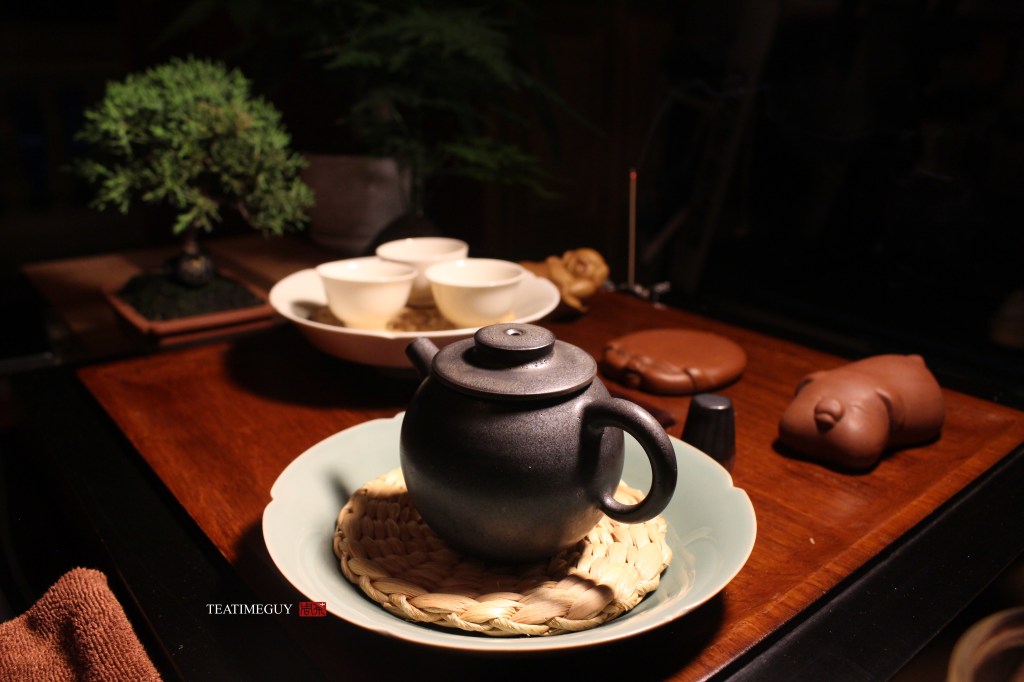
What is Zen Tea-ware? Why is it being called This Way?
We had once mentioned from the previous articles about Artist Huang Tsun Ren That his works mostly include oil spot Tenmoku and Zen tea-ware. However, I am most often only focusing on his gorgeous Tenmoku and there are very few content about his Zen Tea-Ware. Well, this article will be only scooping on his Zen tea-ware and hopefully would answer most Tea-ware lover about why is this type of ware is being called “Zen tea-ware”.
Before Answer Why, I would like to take your attention to find out on “What” & “How” first.
អត្ថបទនេះជាភាសាខ្មែរ/ Khmer Lan Version: https://teatimeguy.com/2021/09/30/zenteaware-in-kh/
What?
So What is “Zen Tea-Ware” ? — “Zen Tea-Ware” is a type of ceramic “Single Color Glaze” Tea-ware that every piece are being handcrafting by Artist Huang Tsun Ren (黃存仁) in Taiwan. The shape and glaze are elegant and delicate. This ceramic “Single Color Glaze” is a combination material of ash, different color mix with different metal to create the basic glaze for the wares.
How?
How Does “Zen Tea-Ware” are made? — In general, ceramic wares are being made in 3 main steps: Shaping, Glazing & Firing (in kiln). Within these 3 main step, Zen Tea-ware is crucial and artist himself is very concentrated on shaping by deviding shaping in 3 main steps more for the purpose of refining its shape into a very Zenzational & delicated.
1st: shaping on the wheel, 2nd: cut the bottom part into flat and 3rd: scratch the surface to make it more thin. Each 3 step requires extensively patience and amount of time for waiting the clay to be dried and moving on the process. The patience of waiting & concentration of making are one reason behind its name “Zen Tea-Ware”. Overall 3 shaping steps are also to make sure that the shape of ware is as thin as it can be and well balance. As the Artist Huang himself once mention:
To become a skilled pottery artist is like saying you want to be a mason. Apart from basic soil selection and application, understanding proportion, aesthetics, and control of pottery form, knowledge in chemistry and physics are also required.
Artist Huang Tsun Ren
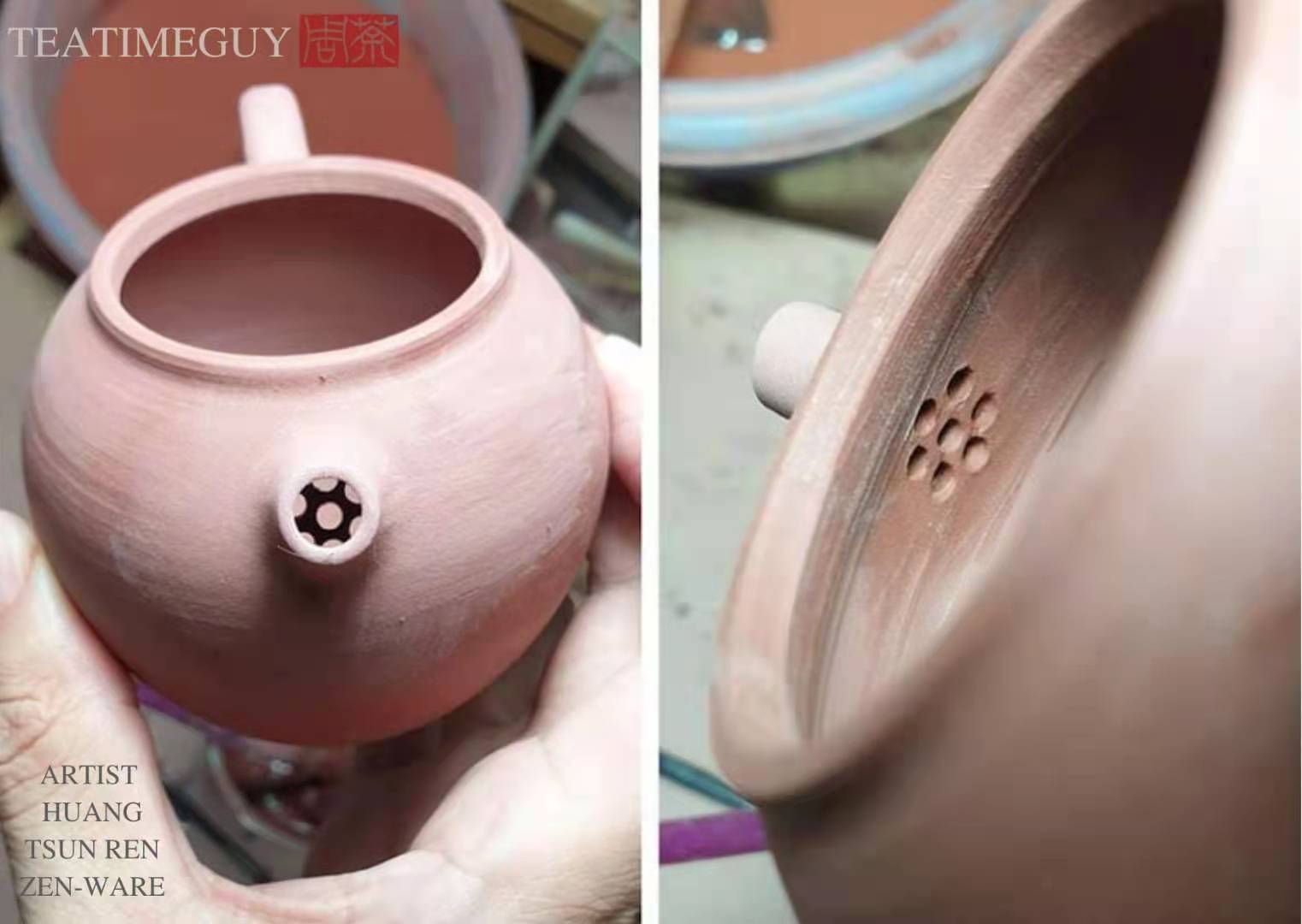
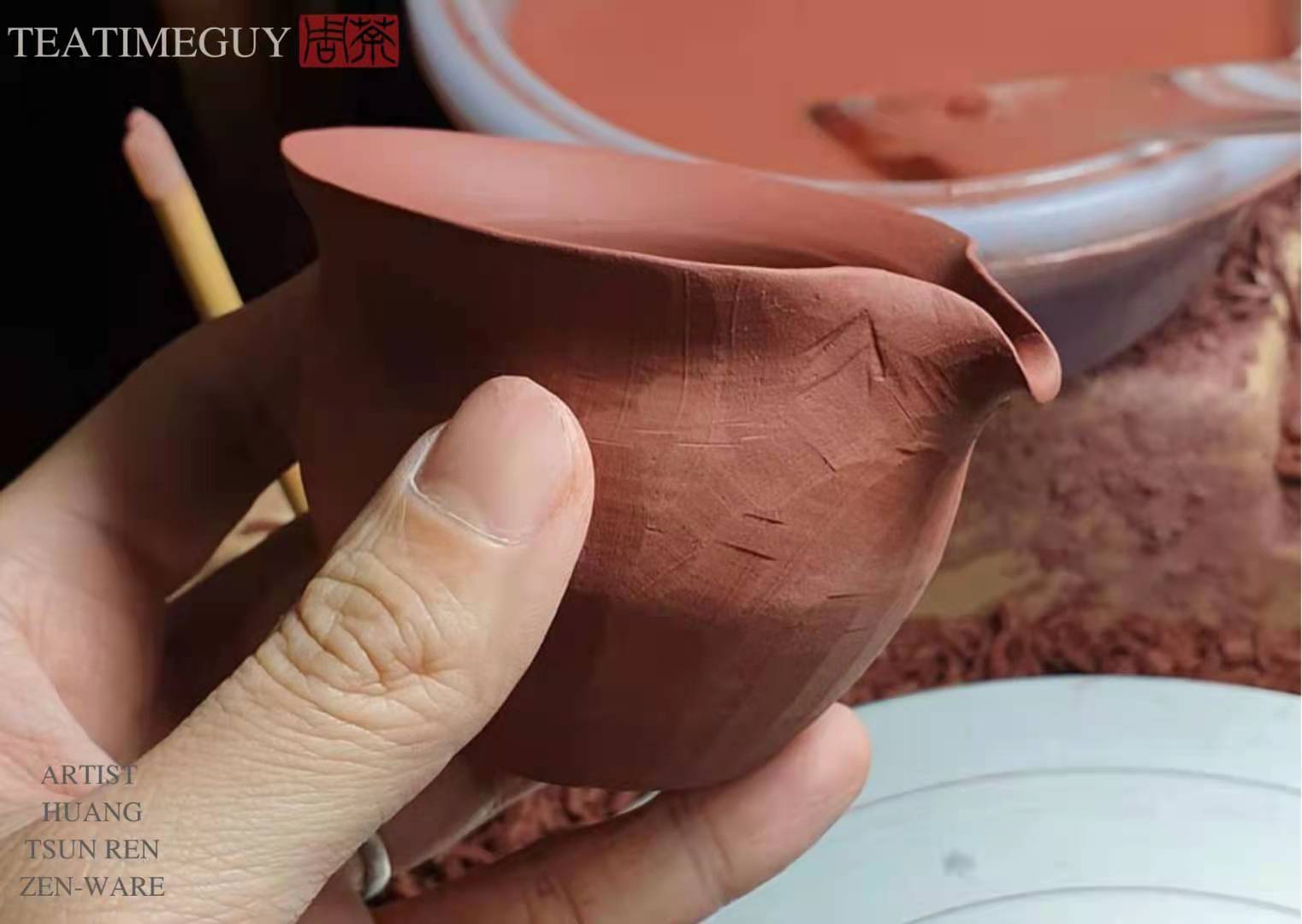
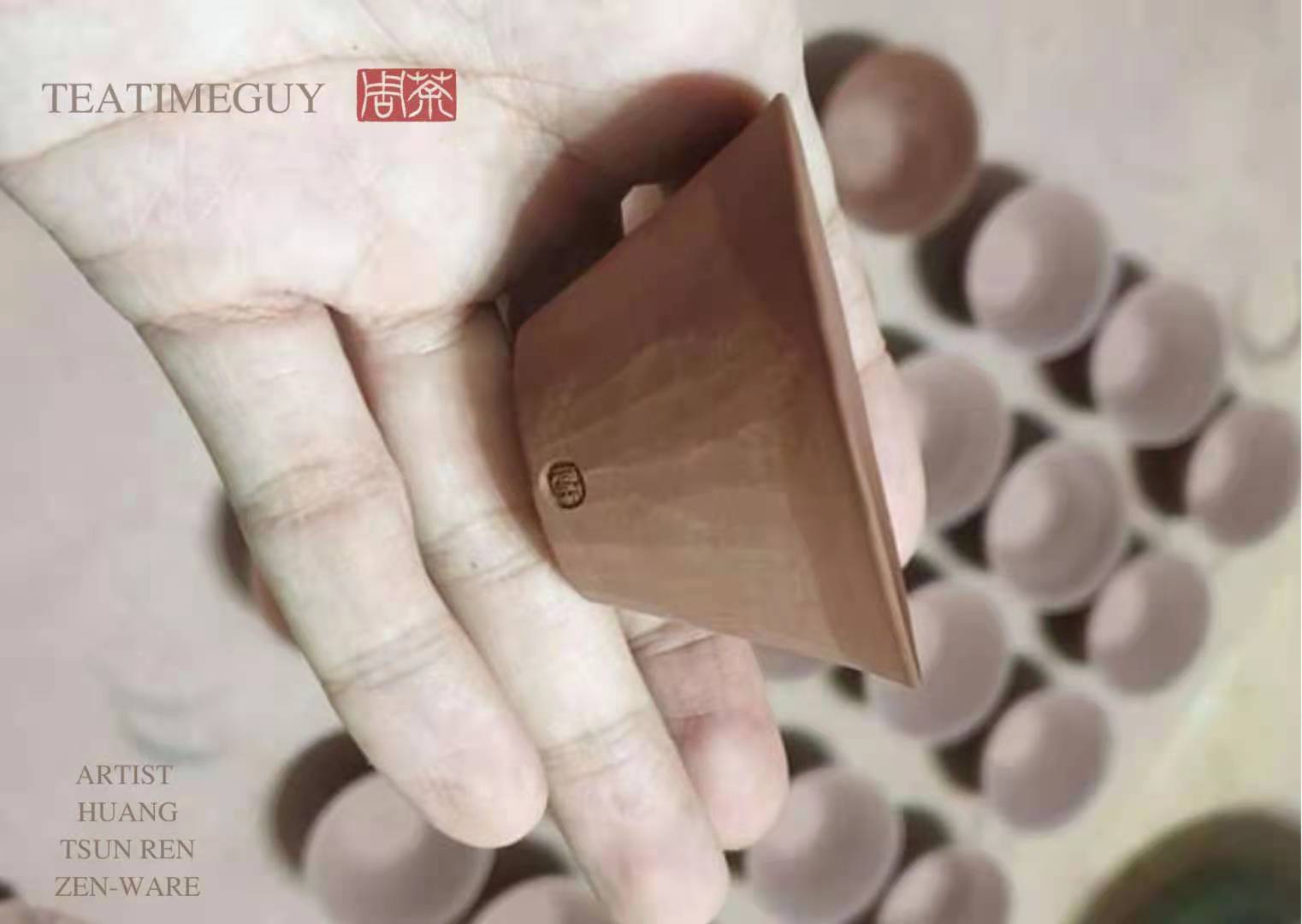
After patiently being shaped, the wares are moving into glazing process and glazing for zen-wares are rather full glazed or almost a full glazed. After done glazing, the wares are keeping and continuing to wait for firing in kiln. The firing kiln temperature for Zen-wares is generally almost 1300 degree and after being fired, the pieces need to continue keep inside kiln until everything is cool down which approximately take about 70 hours from firing to waiting before bring all the wares out.
The result of Zen Tea-Ware is normally has got neutral and earthy in color and the surface of wares are matte and not glossy. This is the second reason for the name “Zen Tea-Ware” because “Zen or 禪風” is being provided the relax and neutral and earthy in color.
So we now have the answer for Why already.
Why?
Therefore, The reason behind “Zen Tea-Ware” name that Artist Huang himself had given is came from 2 main reason: one is the patience of waiting and the refining progress for shaping the ware, the other one is the color of finishing result are providing the relaxing and neutral that would take the the users and guests into a very pleasant moment and zensation during tea ceremony.
As experiences of being used some of “Zen Tea-Ware”, the feeling of touching on the wares can make me understand that the ware is very delicate, the wall is so thin and glaze texture is smooth. The finest of the detail and incredibly shape, the natural and neutral color that calm our mind are conducting the whole tea ceremony into the calm and relaxing atmosphere, it feel like the lost moment into the world of “Zen/ 禪”.
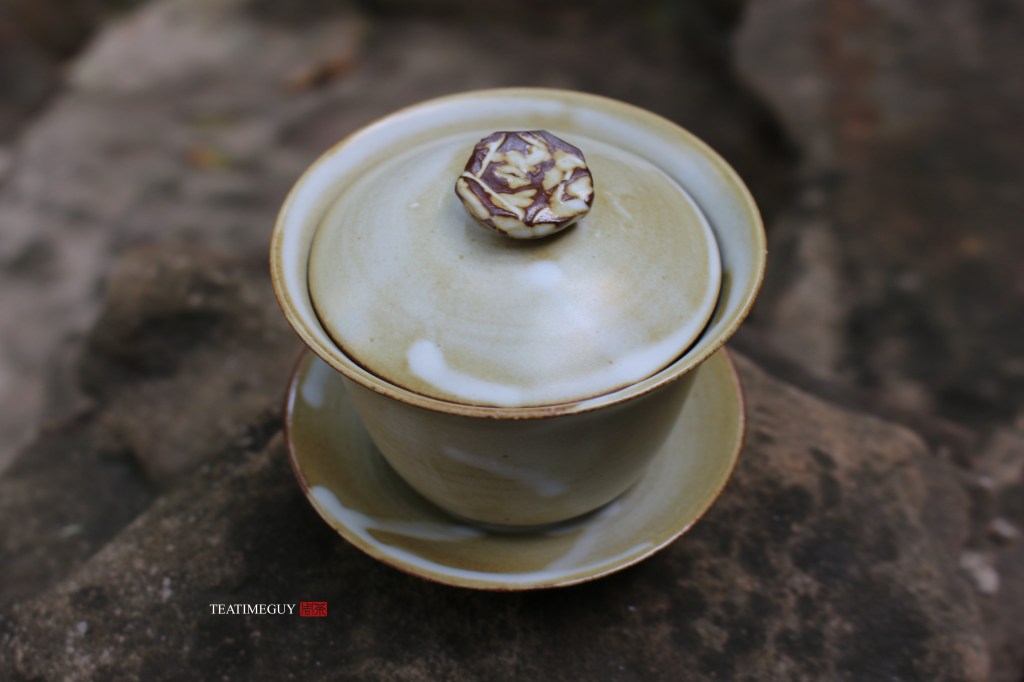
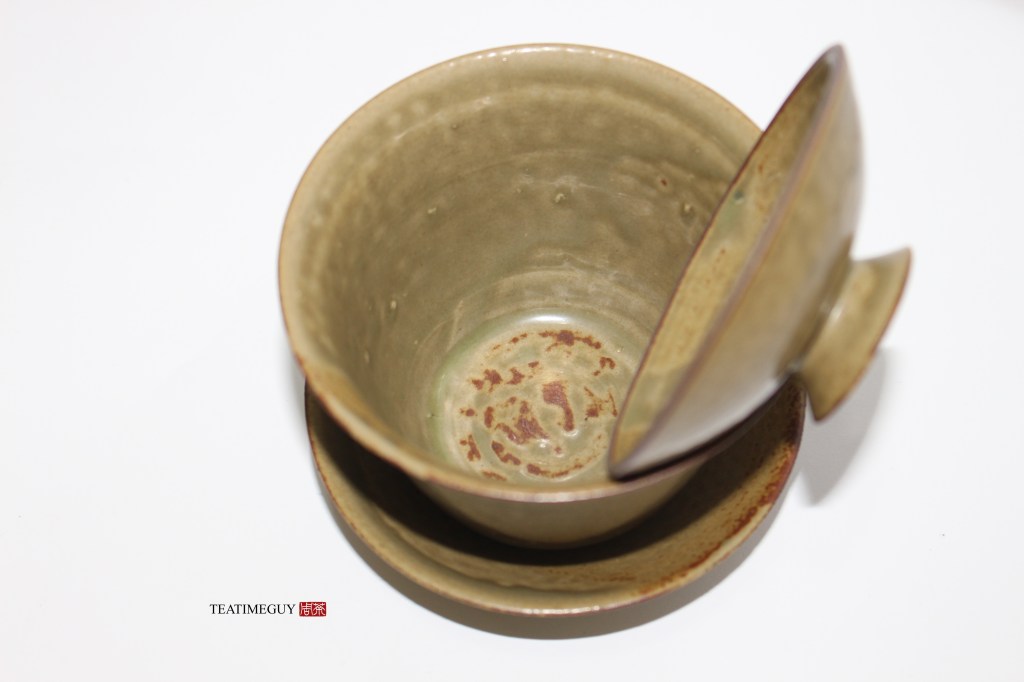
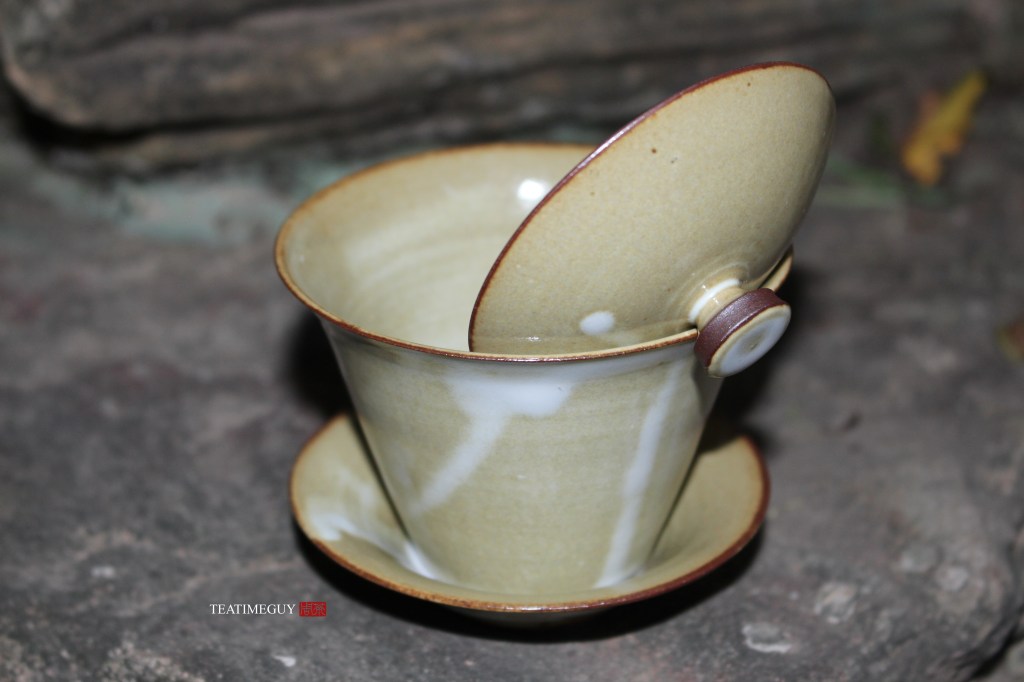
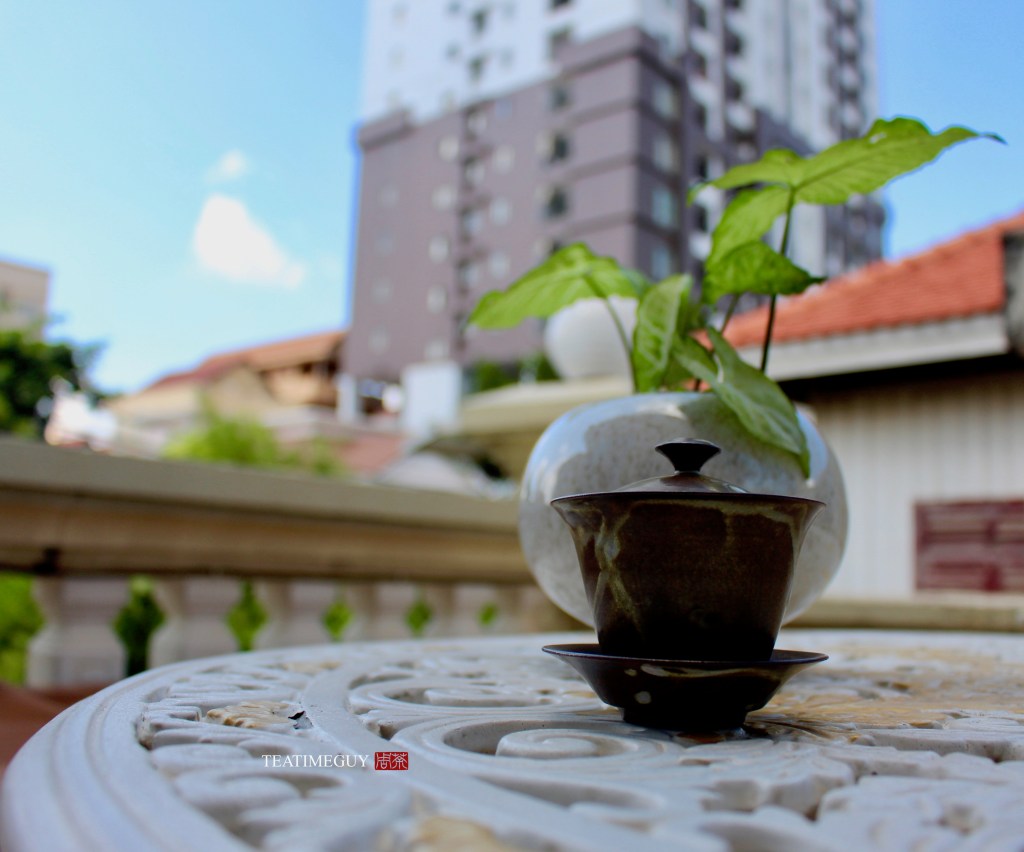
Down Below are some examples of “Zen Tea-Ware”
Gaiwan
Tea-Pot
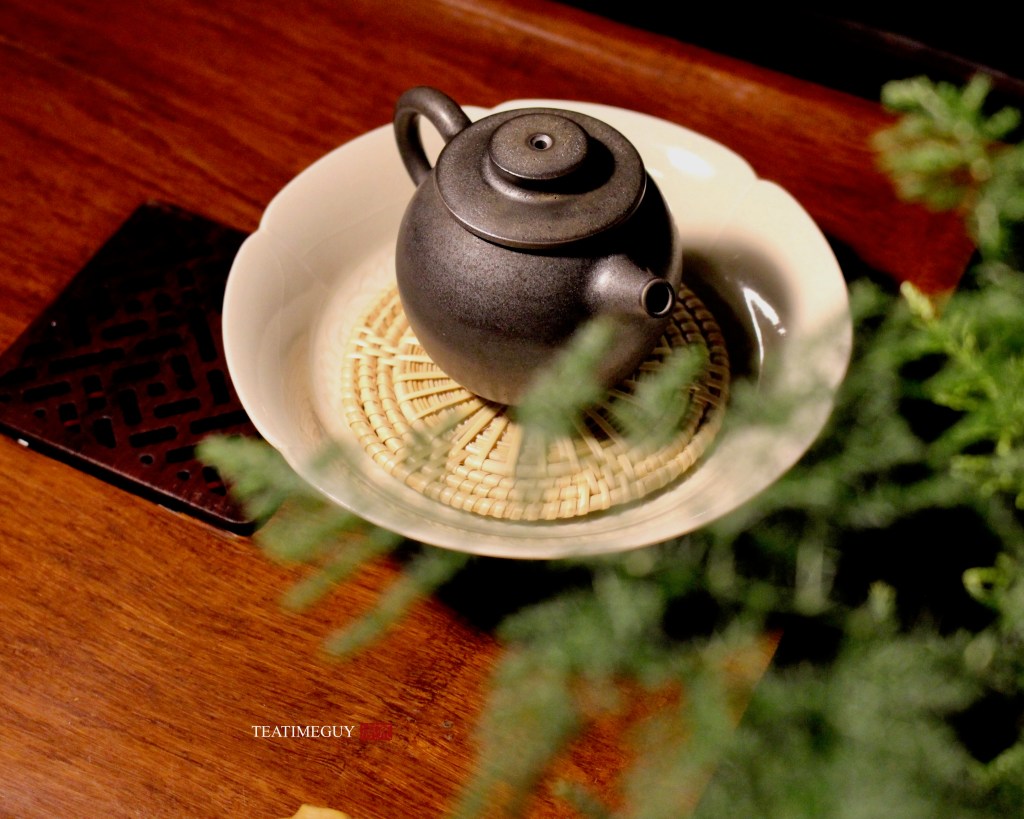
Balance Cup
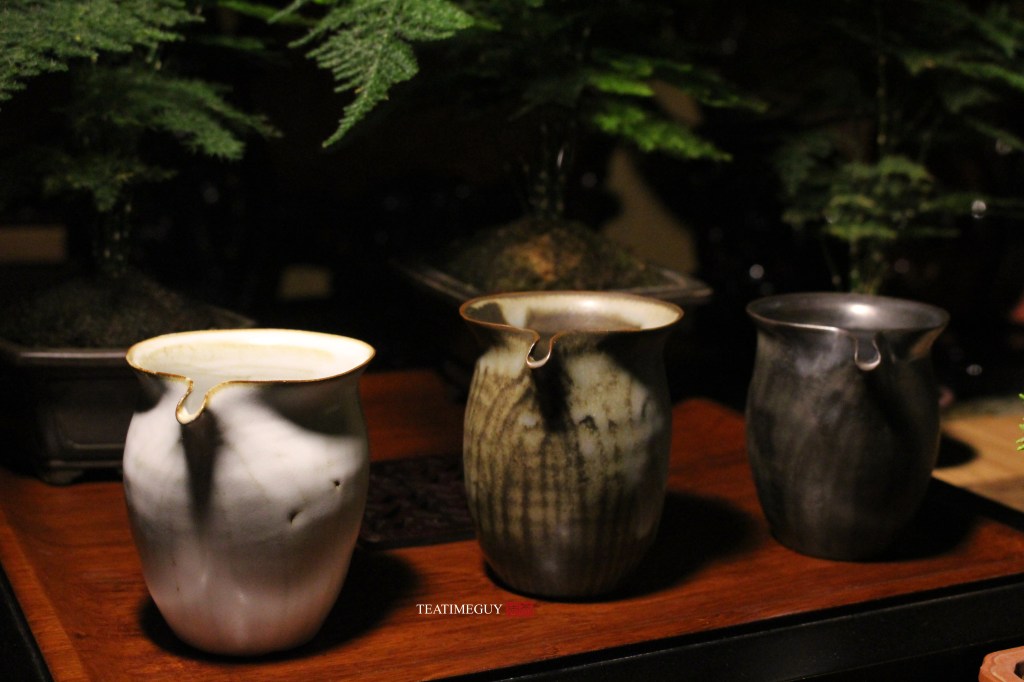
Tall Balance Cup 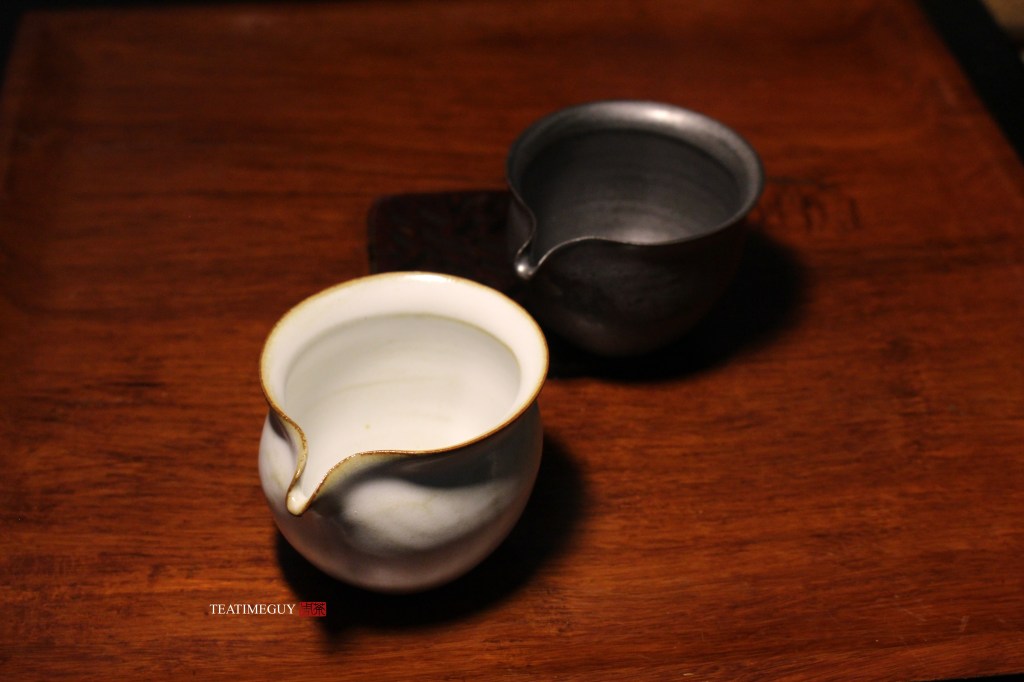
Short Ying & Yang Balance Cup
Drinking Cup
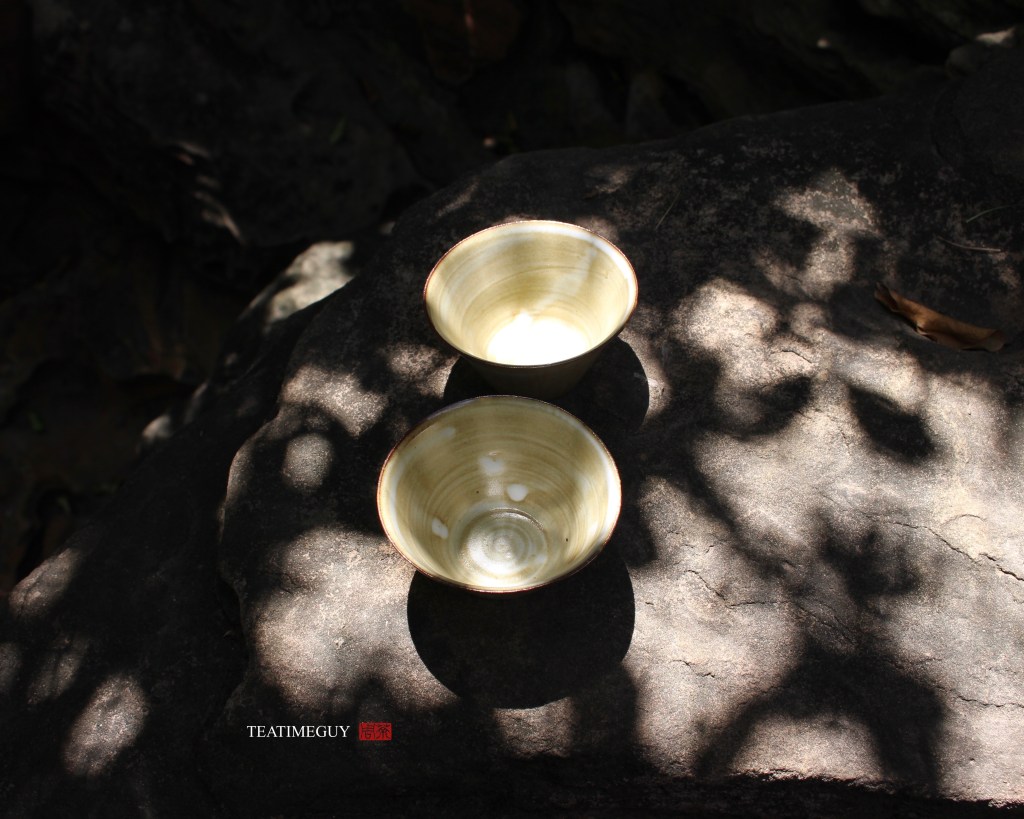
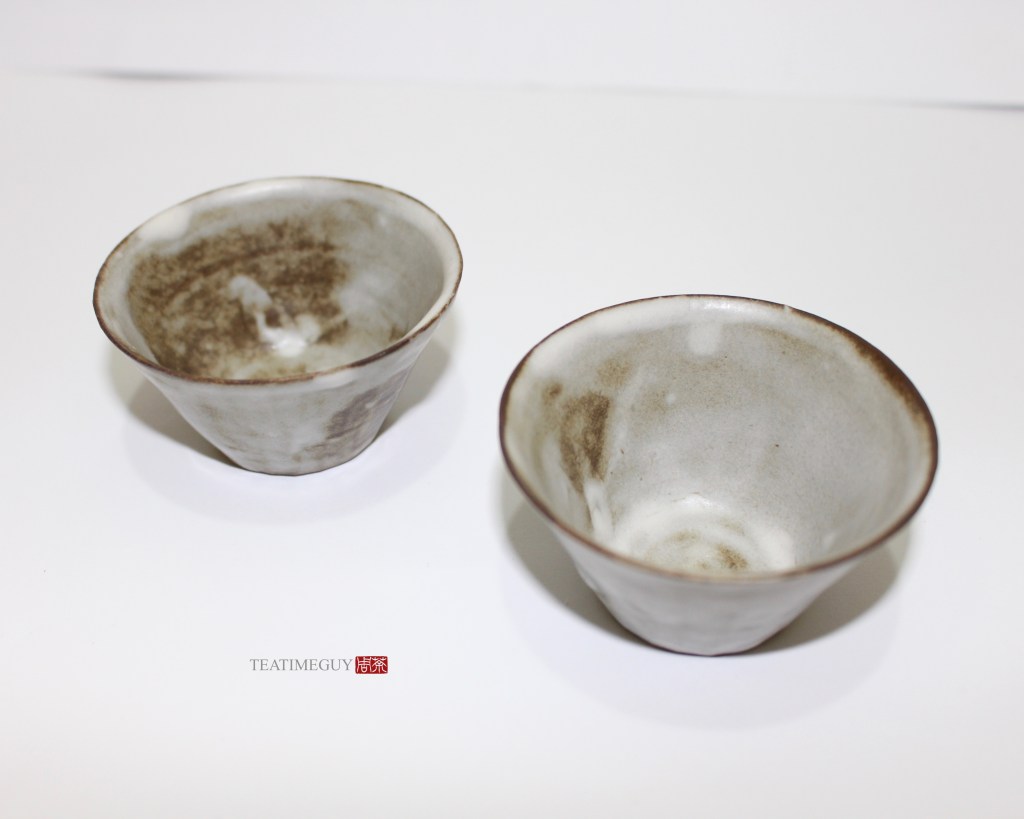
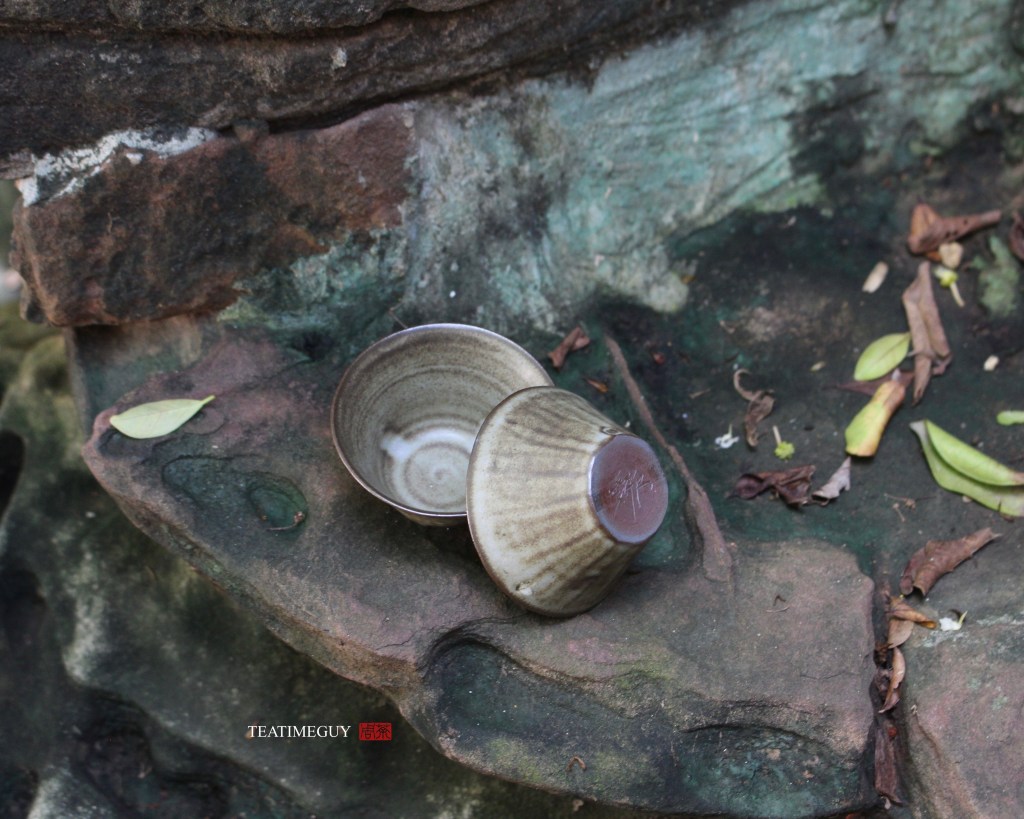
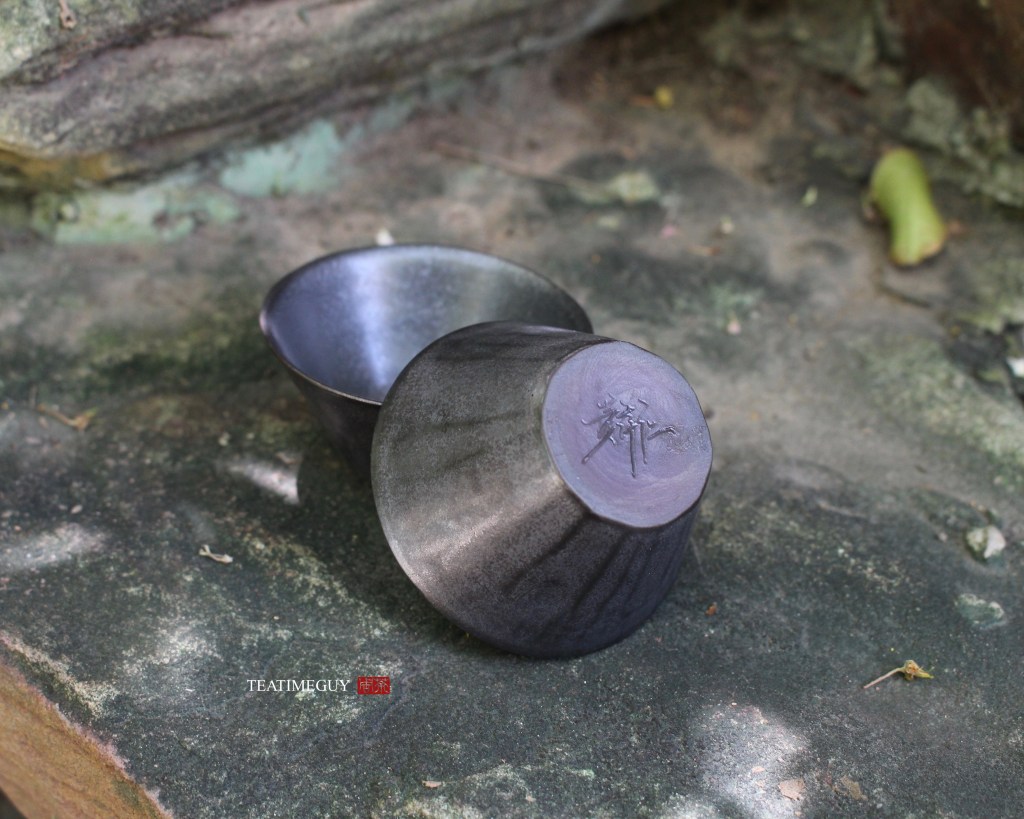
Black Glaze Zen Cup 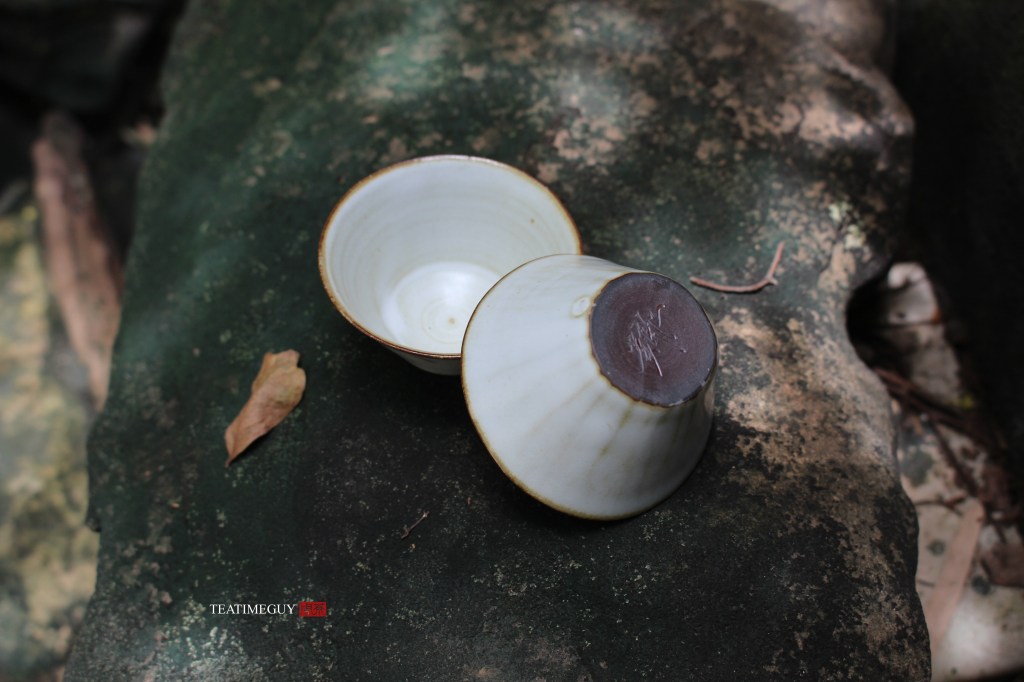
White Glaze Zen Cup
រក្សាសិទ្ធគ្រប់យ៉ាងដោយ TEATIMEGUY
All Rights Reserved for TEATIMEGUY.
Contact us (teatimeguy@gmail.com) for permission to reuse any of our content.


Leave a Reply