
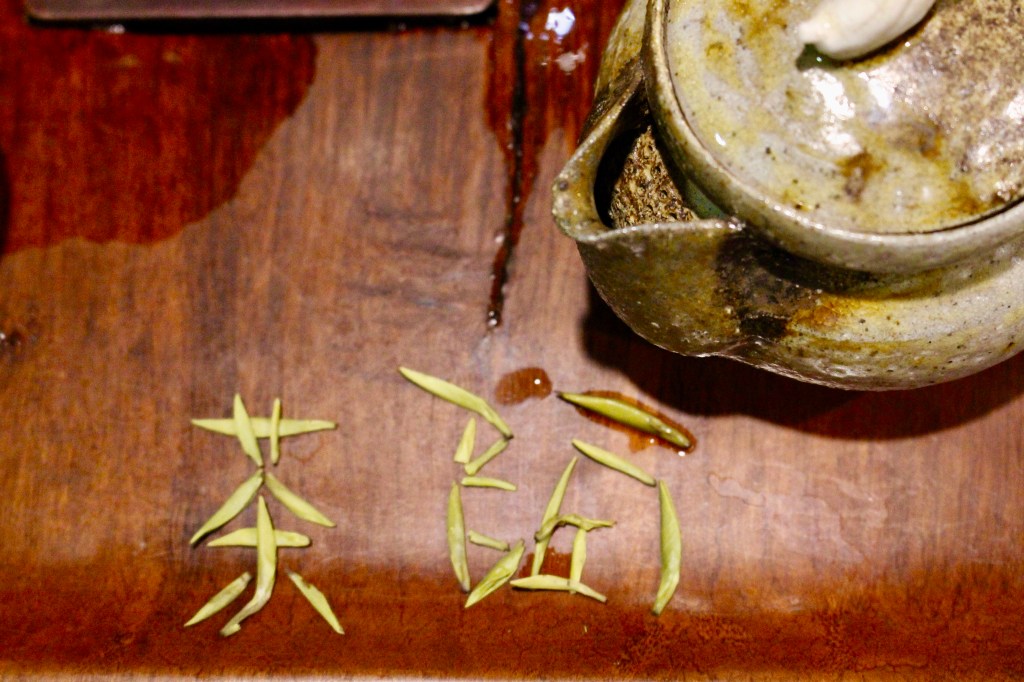
It has been over a years since my previous blog that I had published on TeaTimeGuy.com, I hope that everyone is doing well. There are some reasons that I had invisible from my blogs pages for a while. However, today I would like to share my readers on one simply topic that most of my friends and readers are keep asking me about how many tea types and how to recognize and divide those types. Here for you: the 6 tea types.
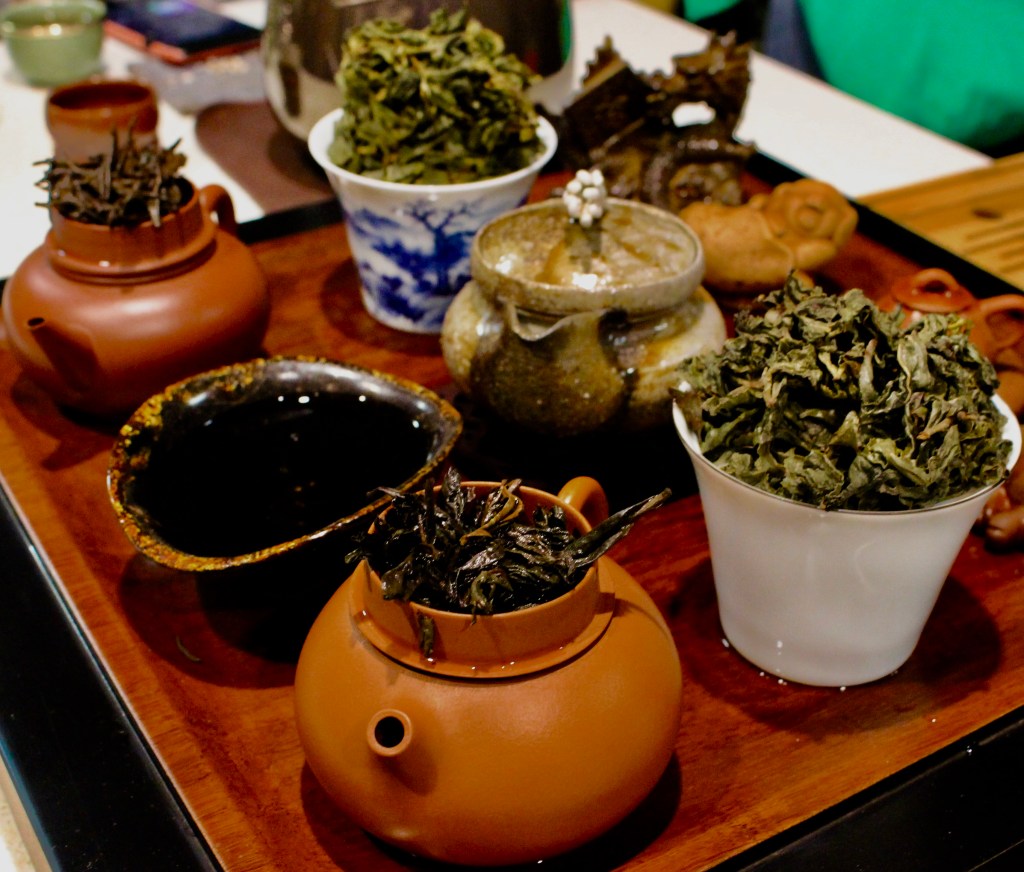
First of all there are many tea out there in the world and can be more than ten thousand . however, all of these tea come from the same variety of plant called Camellia sinensis. Camellia sinensis are also divide into two or three major variety of tea growing today such as Assamica , Sinensis and Parviflora. The main reasons that make tea production different are related to the tea cultivation, where is the tea grown, when the leaves are harvest and how they process the leaves.
Green Tea (绿茶)
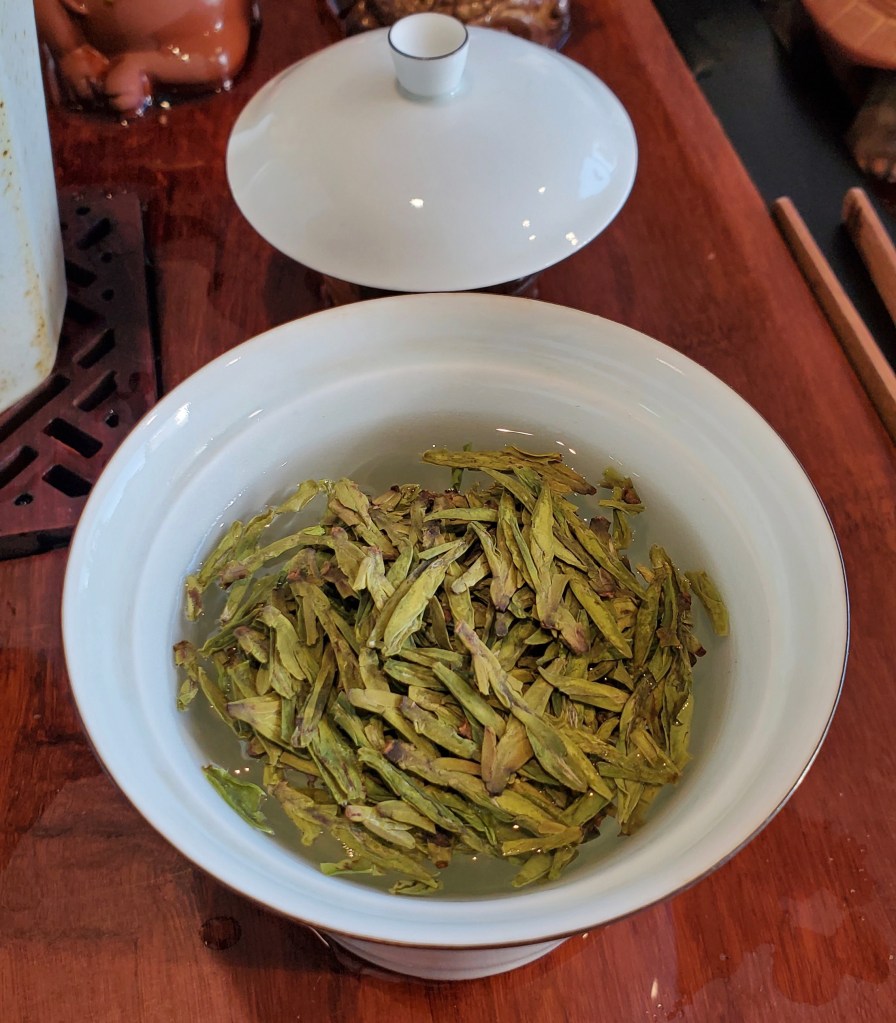
2020 LongJing 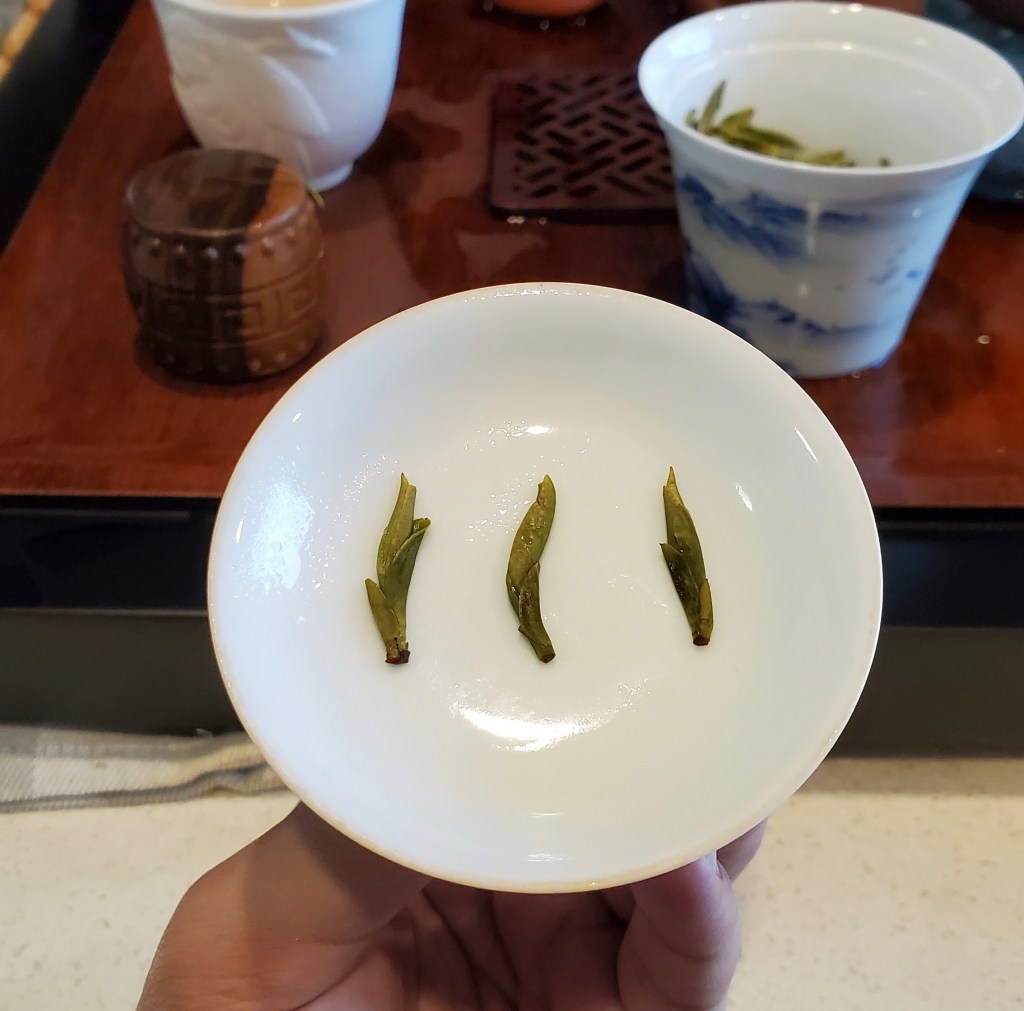
2020 LongJing 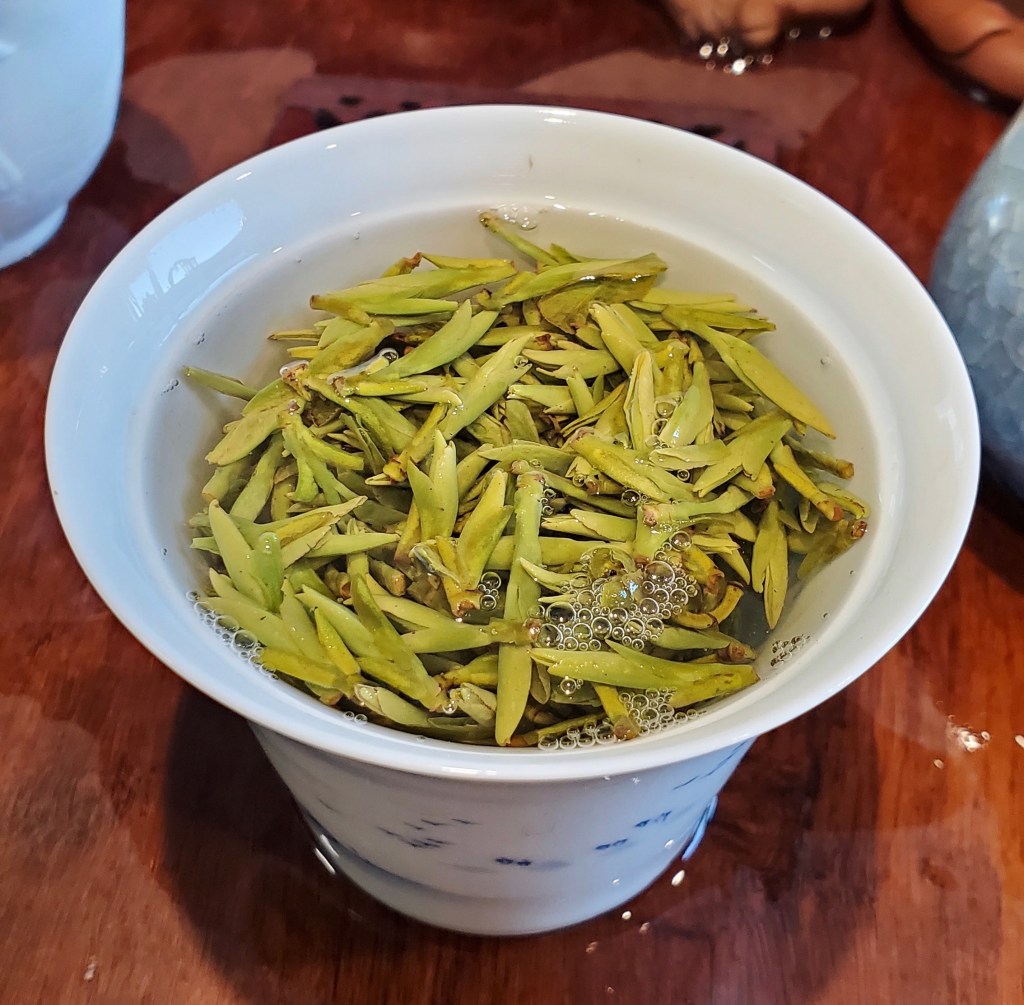
2020 LongJing
Green tea has known best for its freshness, bitter and sweet mellow after taste. Green tea are come from the 0% oxidation by using high temperature to stop the fermentation of the tea leaves. Green tea are normally pick between one to two weeks in the late March and early April each year and also known as the Pre-QingMing tea. Their tea leaves are flat and dry. The tea soup of green tea is light green and fresh.
In order to steep green tea, we normally can use high glass or Gaiwan (Tea Bowl with lid) with clean water. First, Taking about 5g of green tea with 160 ml of preference ware and pour about 80 to 90 °C in, then keep approximate 2 minutes and pour that tea soup out for drinking. For green tea, you can drink about 4 round.
White Tea (白茶)
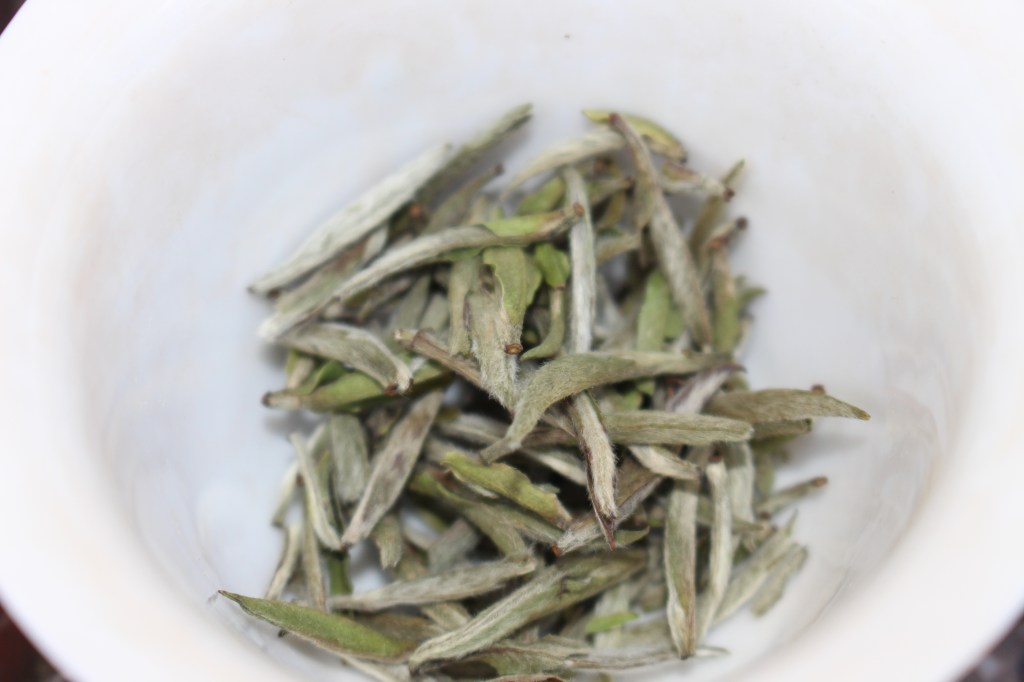
Silver Needle or 白毫银针 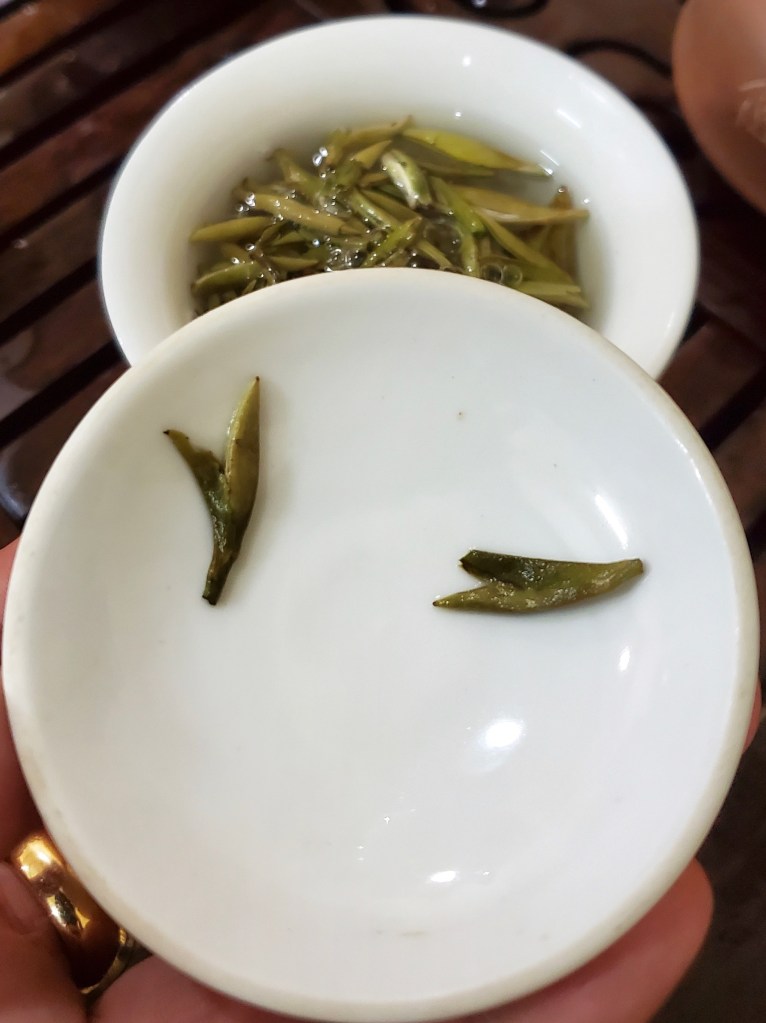
Silver Needle or 白毫银针
White Tea is known as the least processing tea among all of these 6 types and it oxidation is about 5%. There are three level of white tea: Silver Needle (白毫银针), White Peony (白牡丹)and ShouMei (寿眉). Silver needle have only tea buds, White peony have both tea buds and leaves and Shou Mei normally use big leaves. Since White tea is the least processing tea, it also provide the most health benefits such as preventing cancer 20% better than other types. Its tea soup is crystal clear and you might notice there are fur in the soup. White tea has a light and sweet mellow flavor.
White tea is best for Hot season or Summer since it help to cool down the temperature and good for lung. To steep white tea you may need glass or Gaiwan similar to green tea. Using about 85 °C of clean water in 160ml ware. Please gently pour water to make it slowly go into water.
Yellow Tea (黄茶)
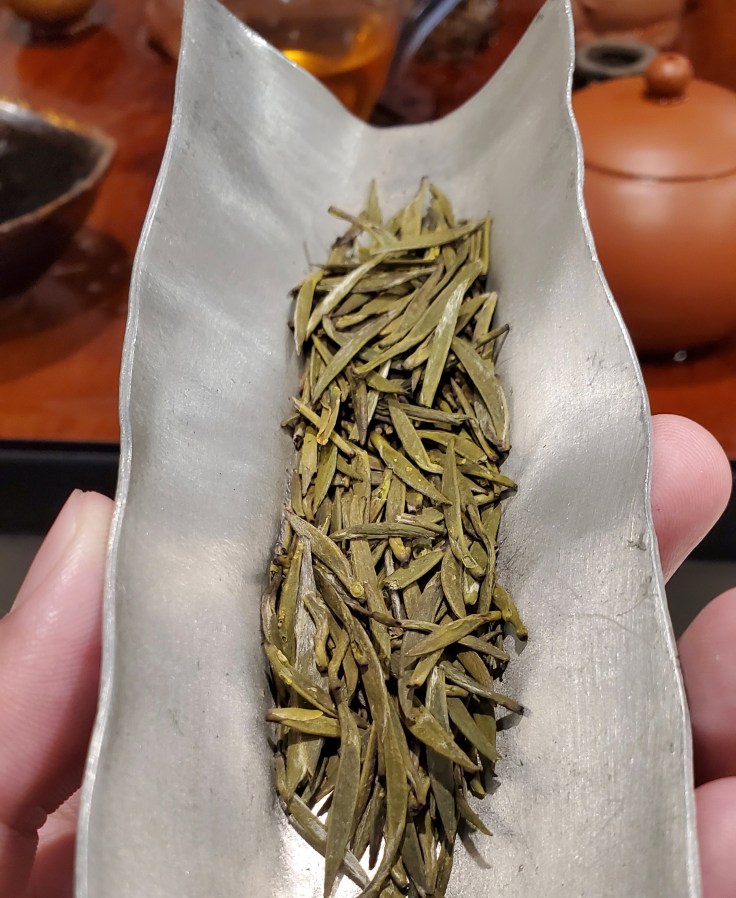
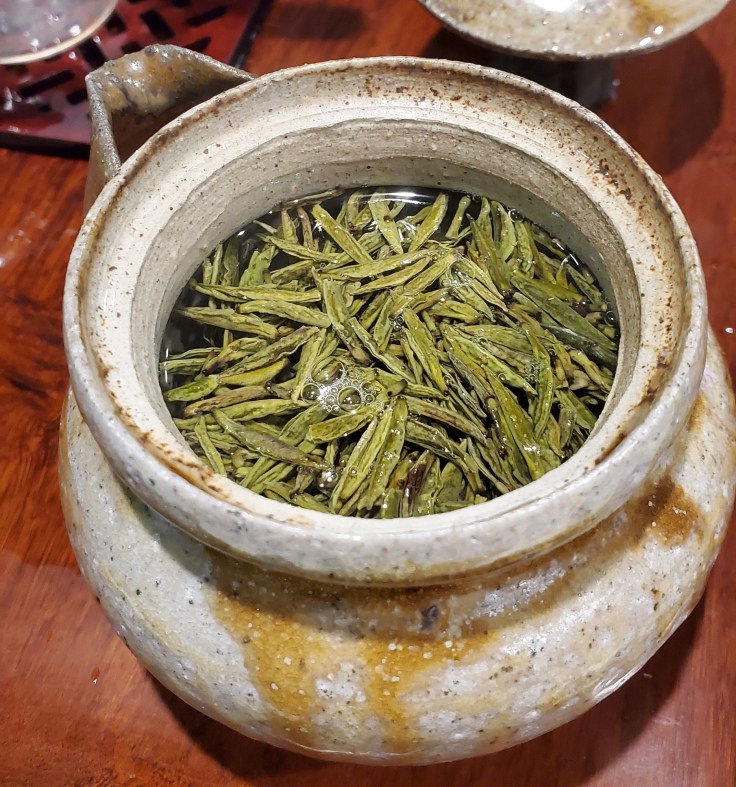
2020 Meng Ding Huang Ya 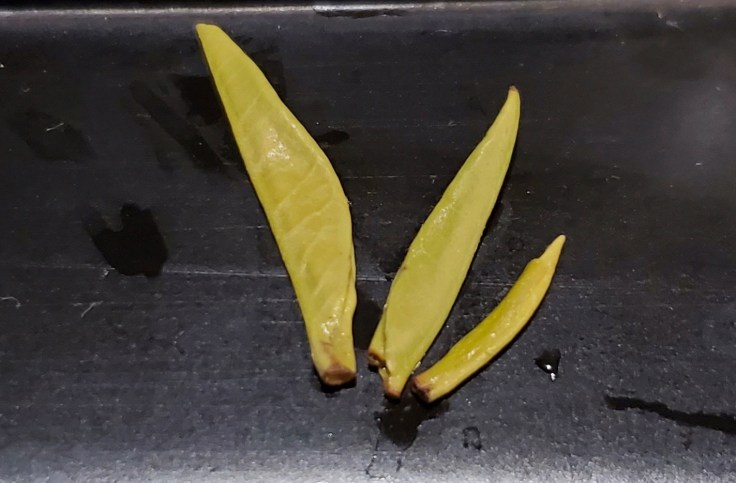
Yellow Tea is the least known tea among the six types and its oxidation is about 10% to 20%. There are 3 main types of yellow tea: Huang Ya (黄芽) or Yellow Tip, Huang Xiao Ya (黄小芽)or Yellow small leaves and Huang Da ya (黄大芽) or Yellow big leaves. I feel that yellow tea flavor is quite the combination of green tea and white tea together, but it is more like green than white with the roasted and dry leaves.
To Steep Yellow tea, the method is the same to green tea and white tea.
Oolong Tea (青茶 or 乌龙茶)
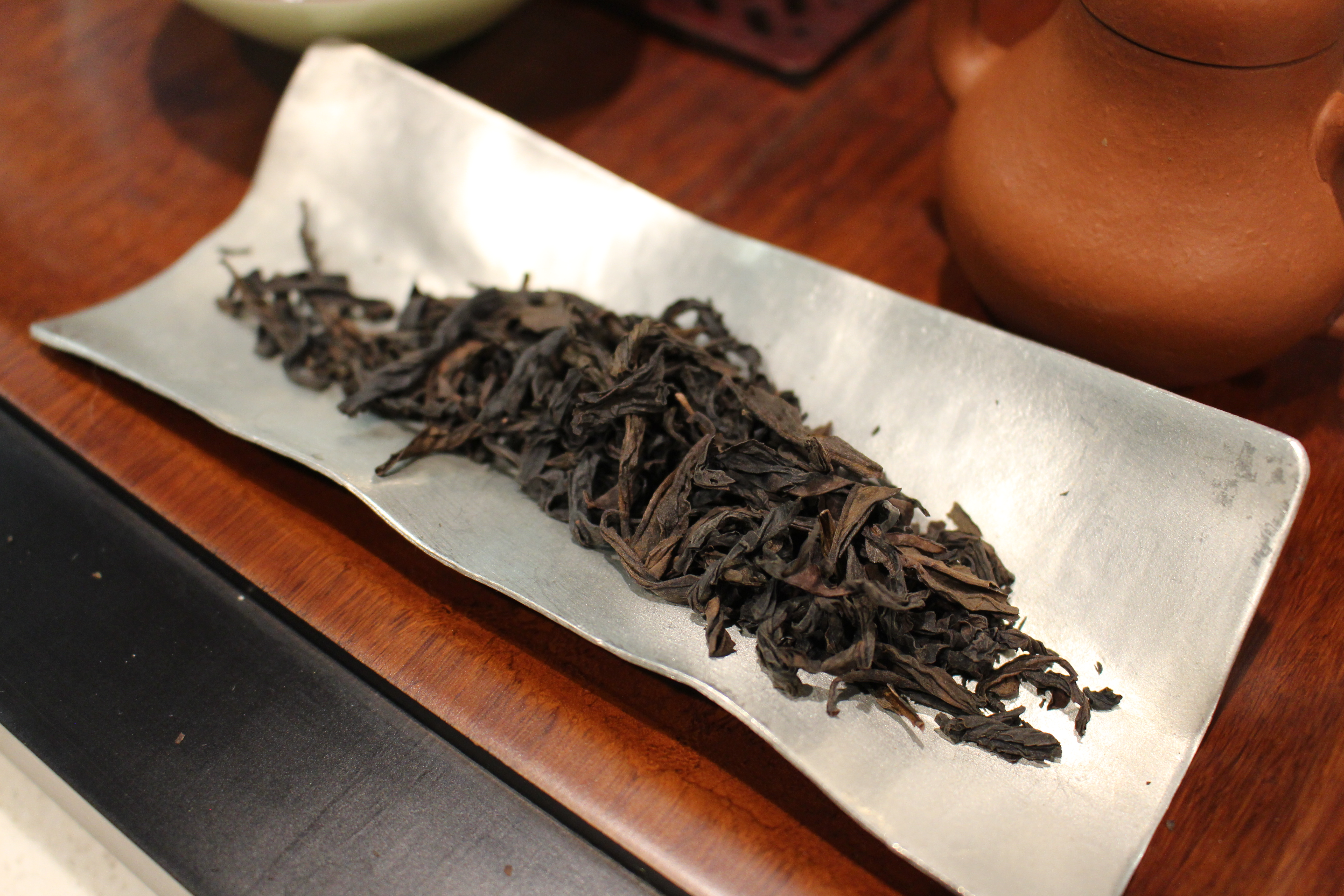
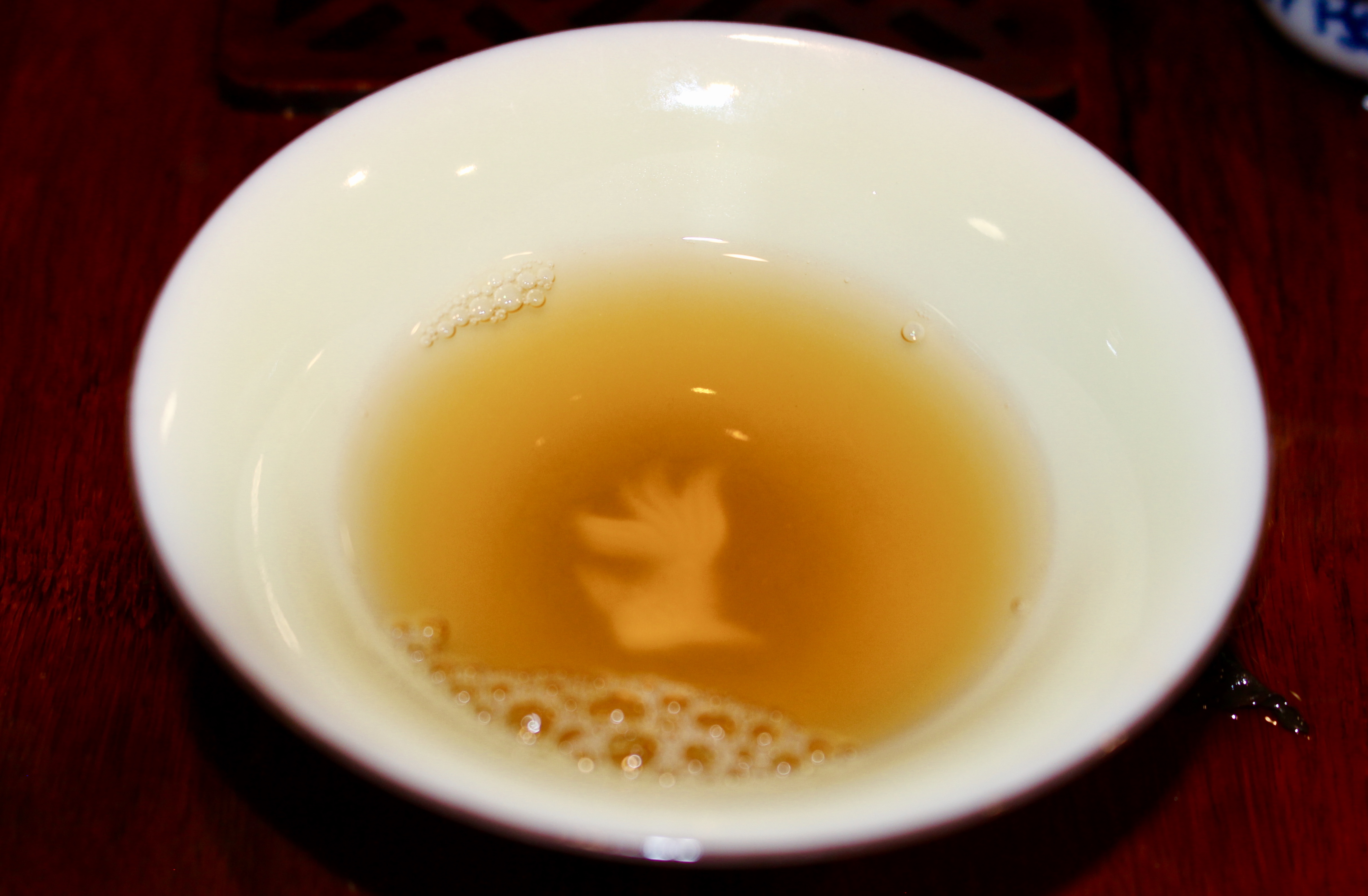
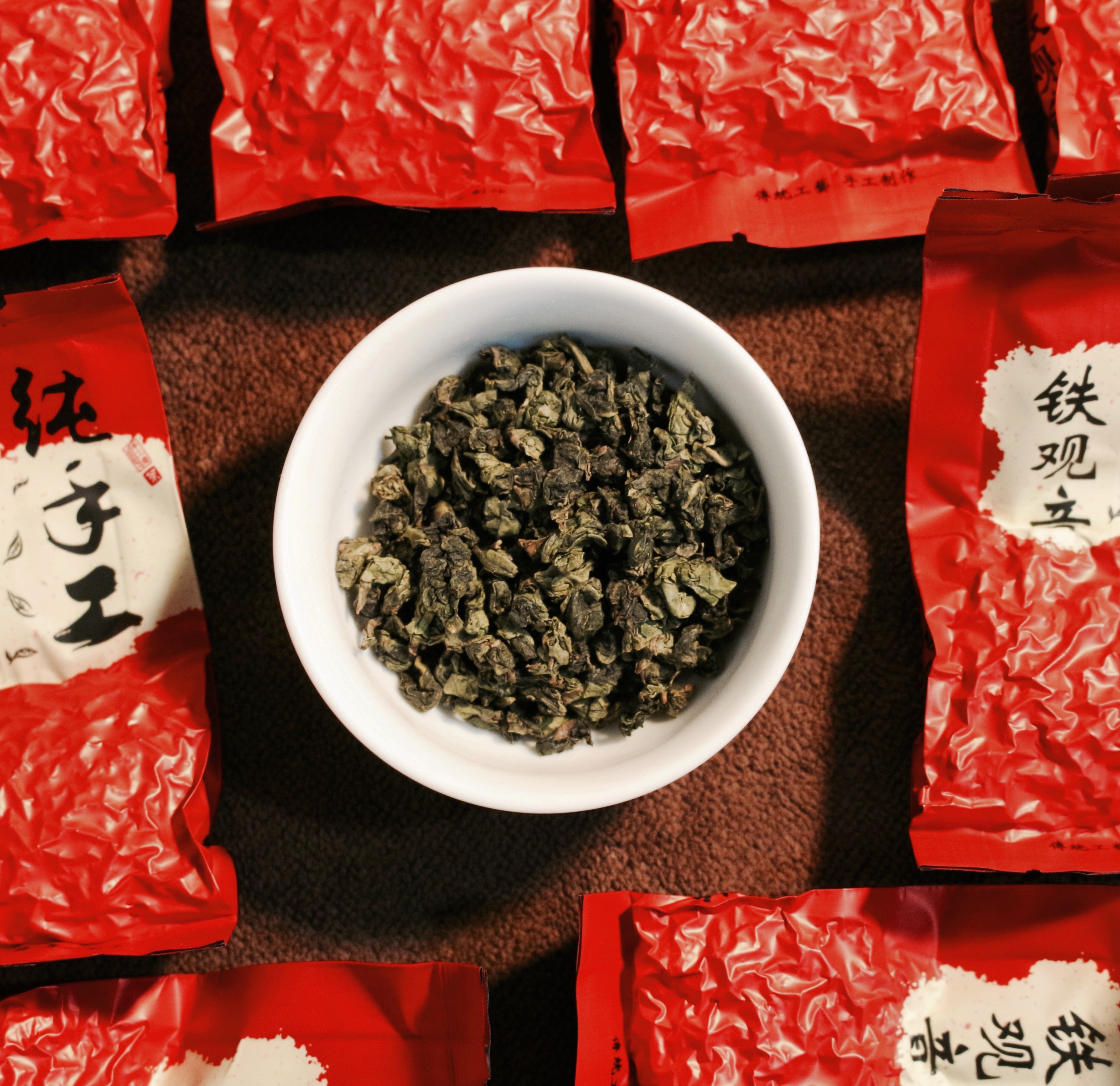
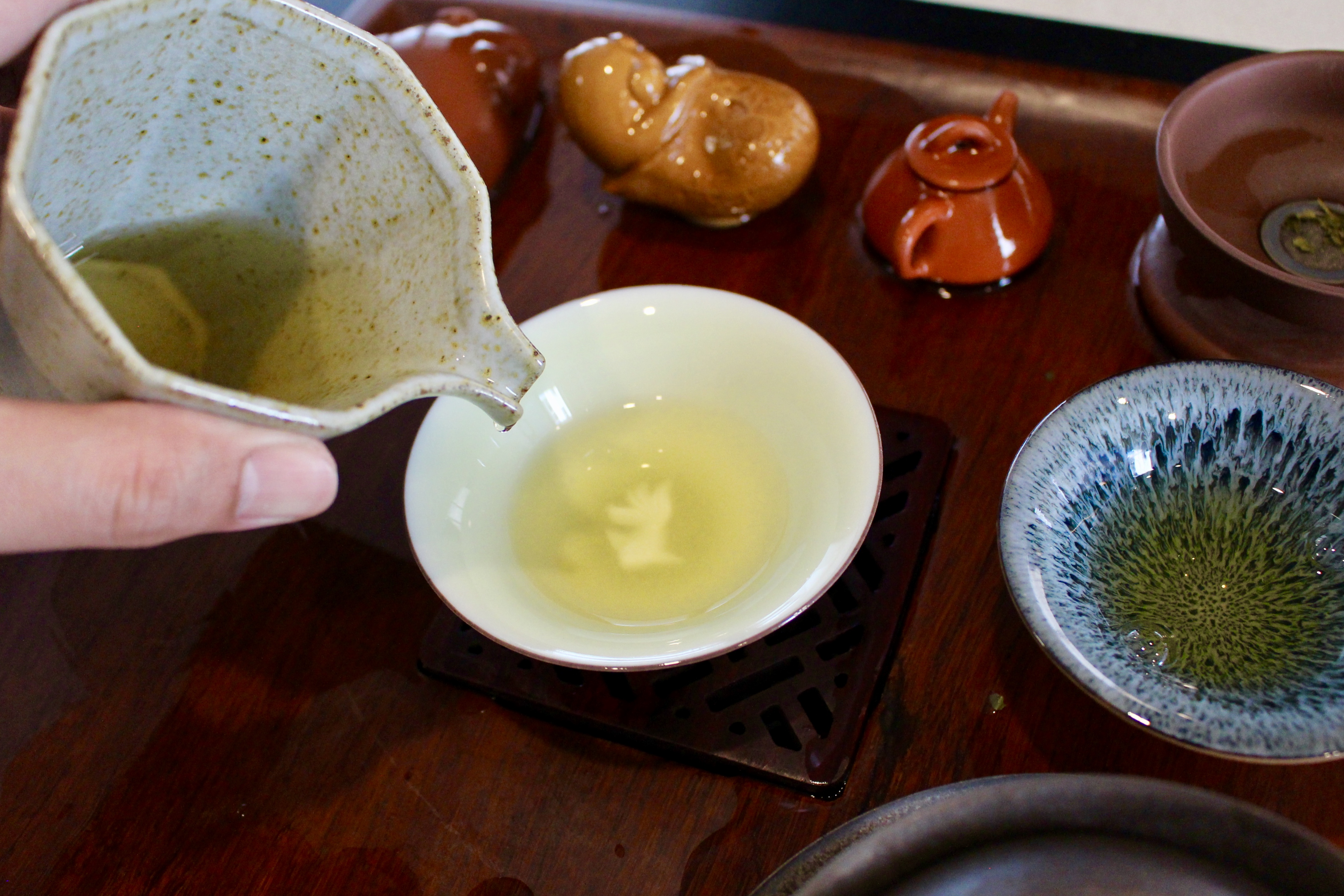
Here we go, Oolong Tea (乌龙) or Black dragon tea and also known as Qing Cha (青茶) in Chinese. Oolong tea has known as the most complicated and most difficult to produce. The level of oxidation is about 30% to 60%. Simply divided into fresh oolong or light roasted oolong and heavy roasted oolong. Their process need to include shaking leaves for floral and that is what make oolong famous for. There are 4 main areas of production Oolong : Northern Fujian (MinBei 闽北), Southern Fujian (MinNan 闽南), Chaozhou which is in South-earth Guangdong and Taiwan Oolong. MinBei is known best for Rock tea or Yan Cha (岩茶), Min Nan is famous for Tie Guan Yin(铁观音) oolong, Chaozhou is famous for Dancong Oolong(单枞) and Taiwan is more famous for their high mountain oolong(高山乌龙).
Picking time for Oolong are normally late April and early May for spring tea and some oolong can also pick for Autumn season as well such as Tie guan Yin. Each type of Oolong may have their own signature taste and flavor of Fruity, floral and nut. for example Wuyi rock tea (Minbei) is more an rocky or mineral flour and also floral in general. for Tie Guan Yin (MinNan) is more floral of orchid flavor.
To steep Oolong, I am recommended using Clay Tea pot (紫砂壶) and Gaiwan. Using about 7g of leaves with 160ml Gaiwan or Clay pot with 100°C of clean water. Normally need to pour the tea soup after you pour water in by no need to wait. For fresh oolong or light roasted oolong are normally can steep less than 10 times and heavy roasted can steep up to 10 and more times.
Black Tea (known as Red tea or 红茶 in China)
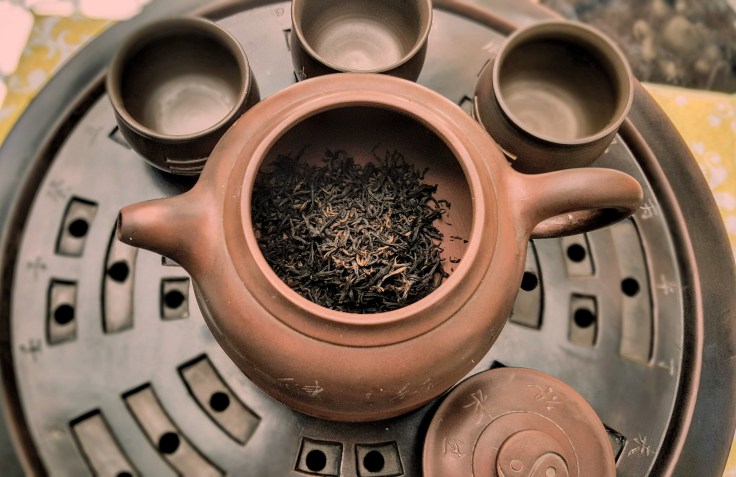
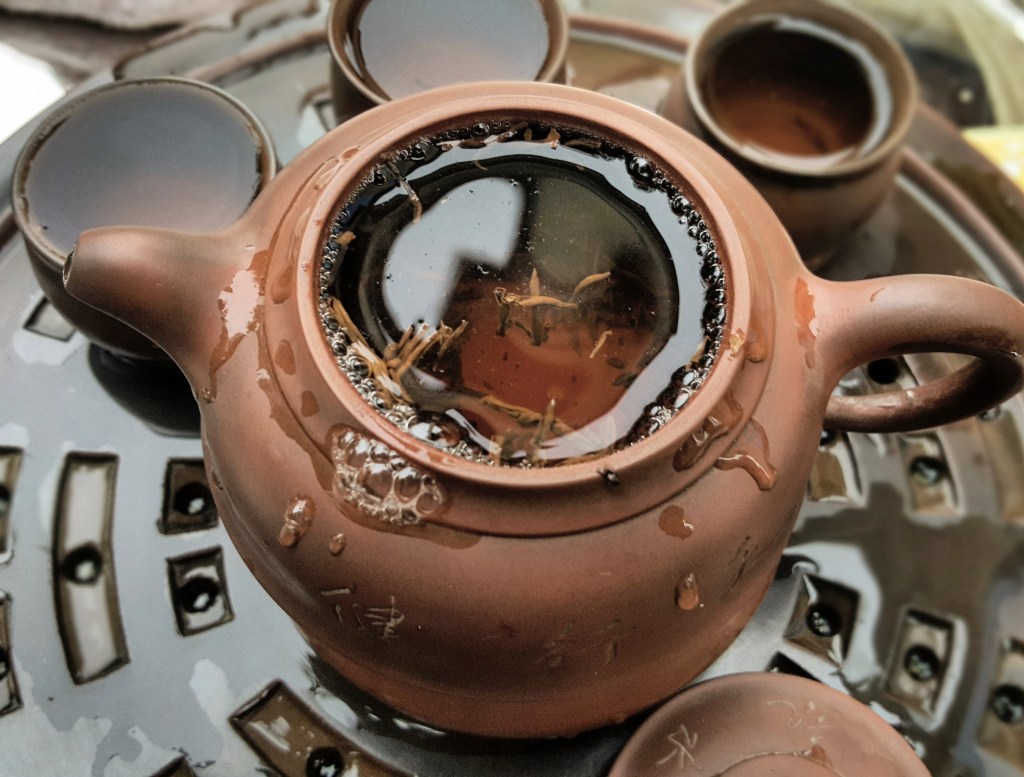
Black tea which is also known as red tea in Chinese (红茶) are provided an honey sweet flavor. The level of oxidation of black tea can be from 85% or more (can be up to 93%). The black tea soup is red color. There are many types of black tea since black tea is the most consuming tea such as Lapsang Souzong or 正山小种. Beside that, there are Keemun black tea, Dianhong Gongfu, golden beautiful eyebrow tea. The most valuable and rare one is JinJunMei or golden beautiful eyebrow tea (金骏眉).
In order to brew black tea, I highly recommend Clay Tea pot (紫砂壶) and Gaiwan by using high temperature up to 100°C or you can drop the temperature into 85 or 90 °C. The outcome of the tea soup of high temperature may receive a rich aromatic in tea soup and lower temperature may create more sweetness of honey and moisture as well.
Dark Tea (黑茶)
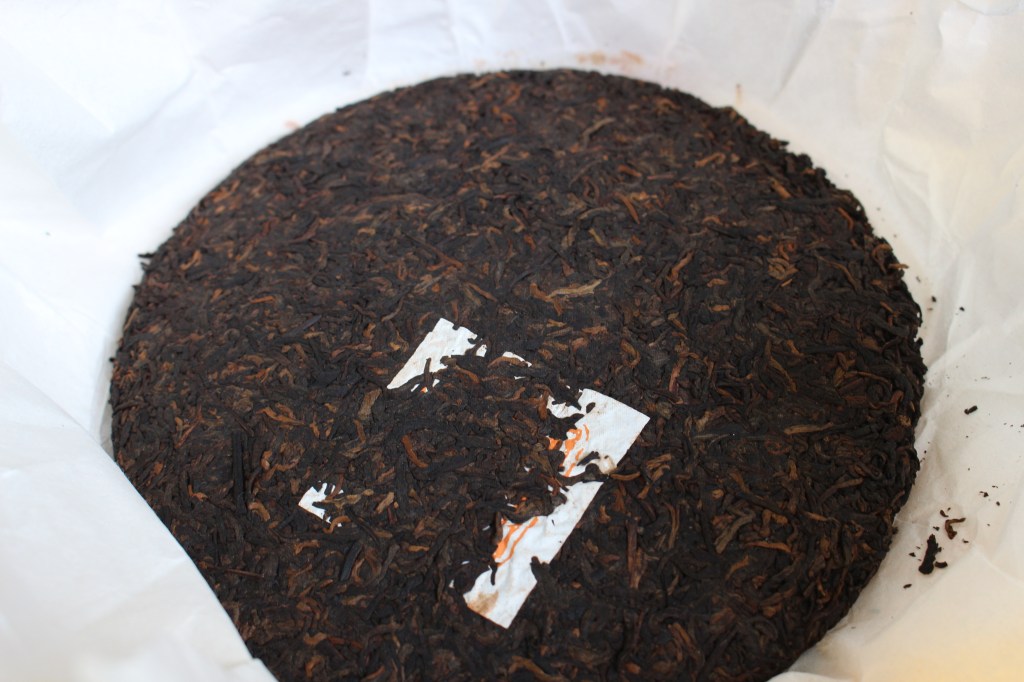
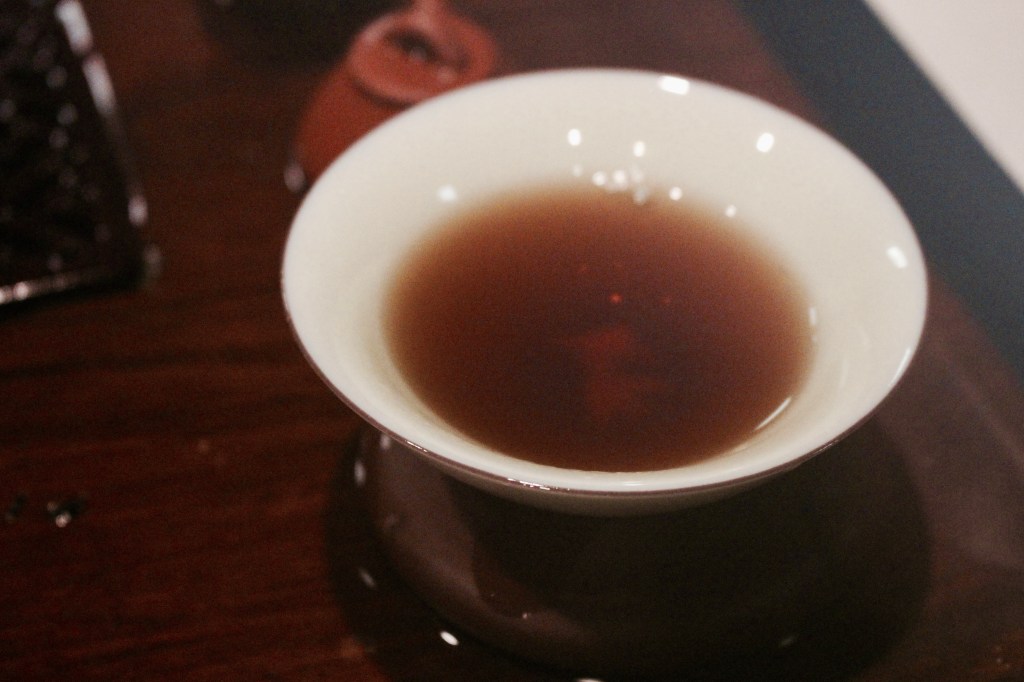
Dark tea is a 100% of oxidation. The most recognized dark tea is Ripe Ru’er tea (熟普洱). Dark tea is good for digestion since the creation of the good bacteria to eat fat body that contant on the dark tea leaves. The flavor of the dark tea is rich and strong with earthy flavor. Beside of ripe Pu’er, there are some other dark tea such as Liubao Cha (六堡茶) from Guangxi Province and Hunan FuCha(湖南茯茶). The best known taste for dark tea are normally those from 30 years old to 50 years old tea cakes. The earlier year or first year taste is more dry and bitter.
Steeping dark tea, I suggest to rinse the first and/or second soup for cleaning, especially for the aging tea. Water should be remind 100°C or no lower than 95°C. Dark Tea can drink up to 20 times or more steeps.
Blended Tea or Extra Processing Tea(加工工艺茶)
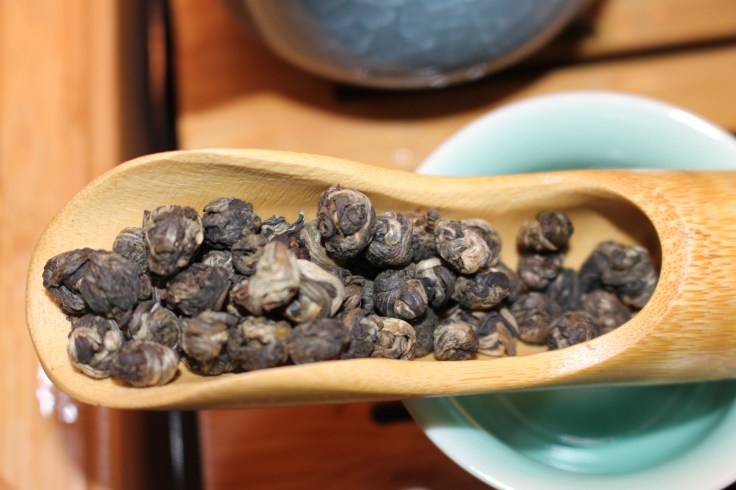
This is a specific types that they may using flowers of other sources to blend or reprocessing with the tea to make other tea such Jasmine green tea and other blended tea.
I think that what I want to share you guy for today. I hope you like this article that I share today and if you had somethings for sharing, please feel free to share in the comments:)
Kind Regards,
Shawn


Leave a Reply